When businesses replace servers, upgrade networks, move workloads to the cloud or decommission a data centre, large quantities of IT equipment can suddenly become surplus.
The obvious next step is often WEEE disposal. However, for modern enterprise IT hardware, recycling should not always be the first option.
Servers, switches, storage systems, GPUs and other data centre equipment can retain significant commercial value. Before treating these assets as waste, it makes sense to find out what they are worth.
The simple rule is: before you recycle it, value it first.
What Is High-Value IT Asset Recovery?
IT asset recovery is the process of identifying surplus technology that still has a commercial value and finding the most appropriate route for it.
Depending on the equipment, this could mean direct resale, remarketing, reuse or trading it in towards newer technology. Equipment with no viable second life can then be responsibly recycled.
This differs from a disposal-first approach. Instead of assuming that everything removed from service is waste, the equipment is assessed as an asset first.
For large enterprise projects, that difference can be financially significant.
When Can an ITAD Project Become High Value?
 Not every ITAD project involves hundreds of laptops and monitors. Some projects contain a relatively small number of assets with a high individual value.
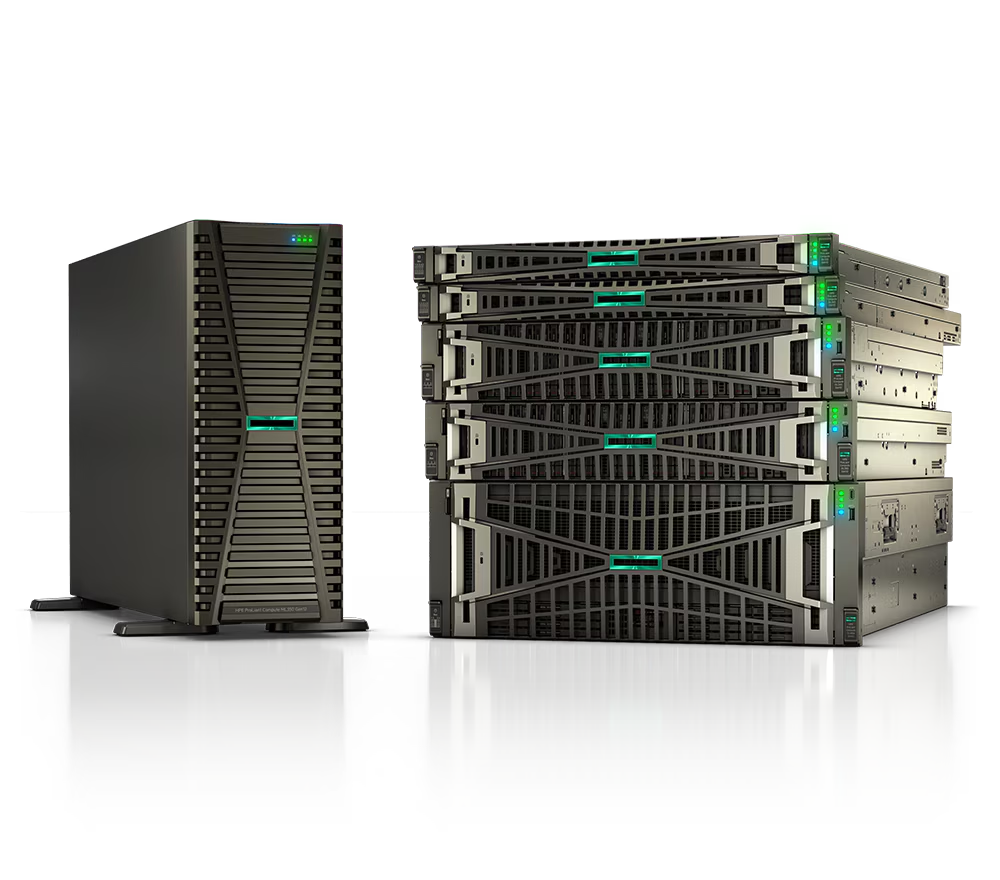
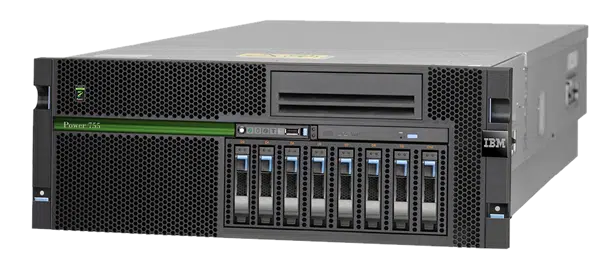
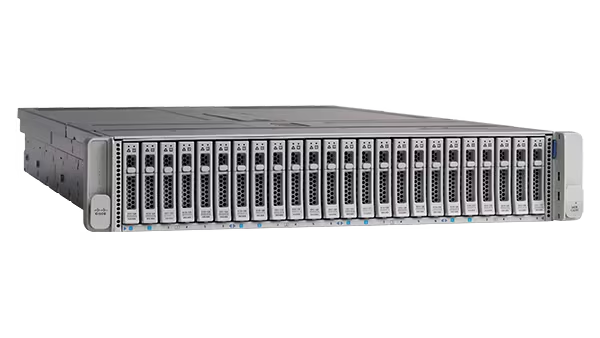
A data centre rack may include enterprise servers, core switches, storage arrays, GPUs, high-speed networking and valuable components. Even when the organisation no longer needs them, there may still be strong demand elsewhere.
High-value asset recovery opportunities commonly arise during:
- Data centre decommissioning
- Cloud migrations
- Network refreshes
- Server and storage upgrades
- AI infrastructure upgrades
- Office and site closures
- Infrastructure consolidation
- Multi-site technology refreshes
The earlier the equipment is assessed, the easier it is to identify potential value.
Cloud Migrations Can Release Significant Asset Value
Moving workloads to the cloud can leave a business with a large amount of redundant on-premises infrastructure.
This may include servers, storage, network switches, firewalls, backup systems and complete data centre environments.
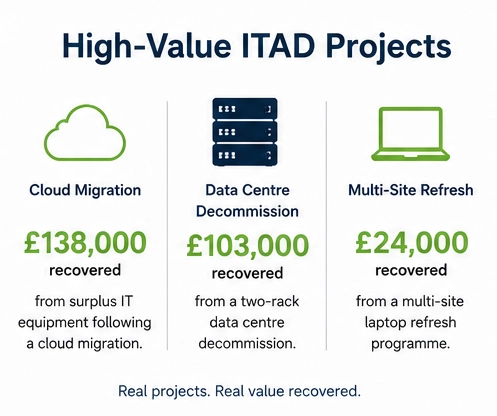
In one project, £138,000 was recovered from surplus IT equipment following a cloud migration.
Without an asset recovery assessment, valuable equipment can potentially enter a standard disposal stream without its full market value being recognised.
Before decommissioning the hardware, create an accurate asset list. Manufacturer, model, part number, quantity and configuration can all make a substantial difference to the valuation.
Data Centre Decommissioning: Look Beyond the Scrap Value
A data centre decommission can involve some of the highest-value surplus IT assets within an organisation.
In one project, £103,000 was recovered from a two-rack data centre decommission.
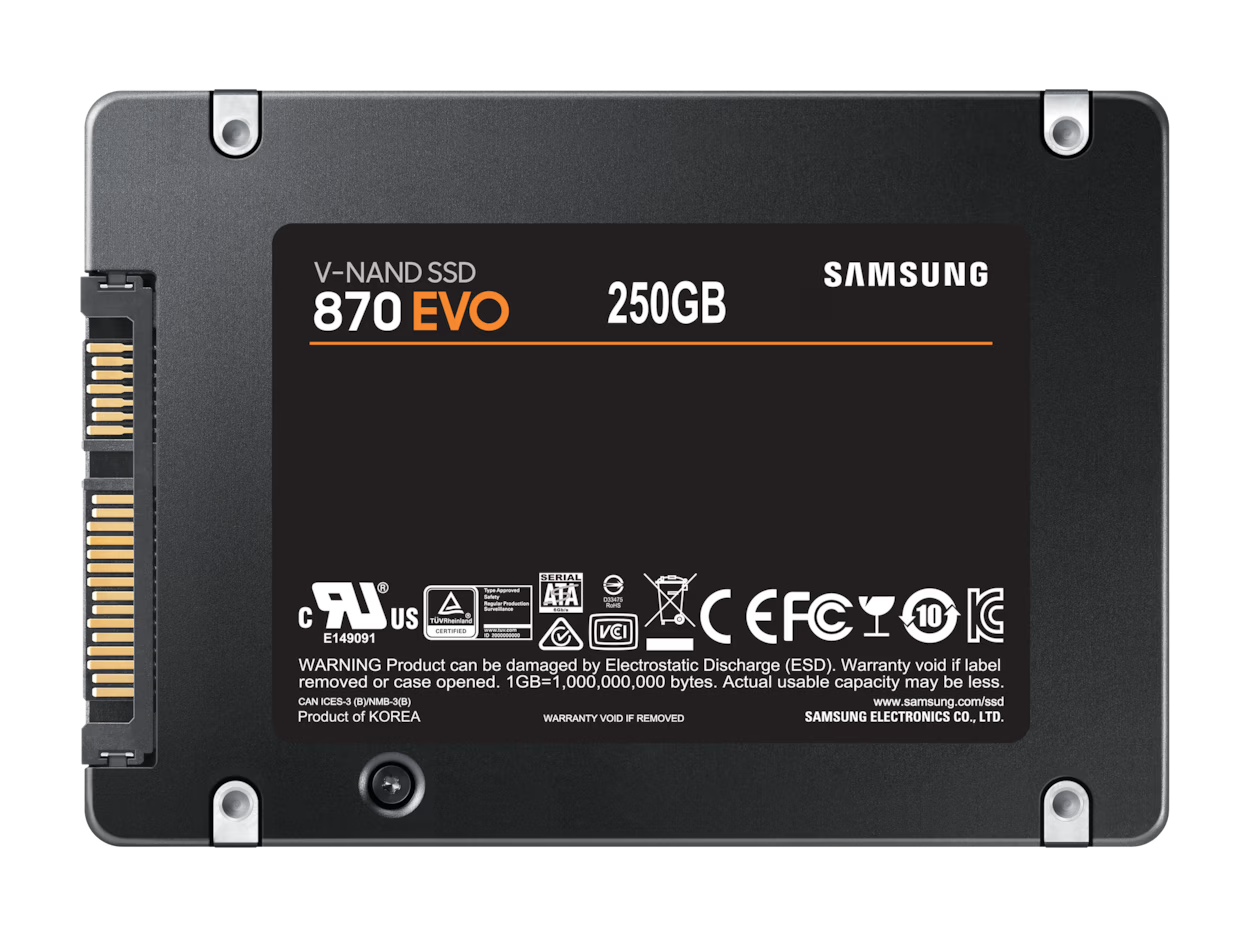
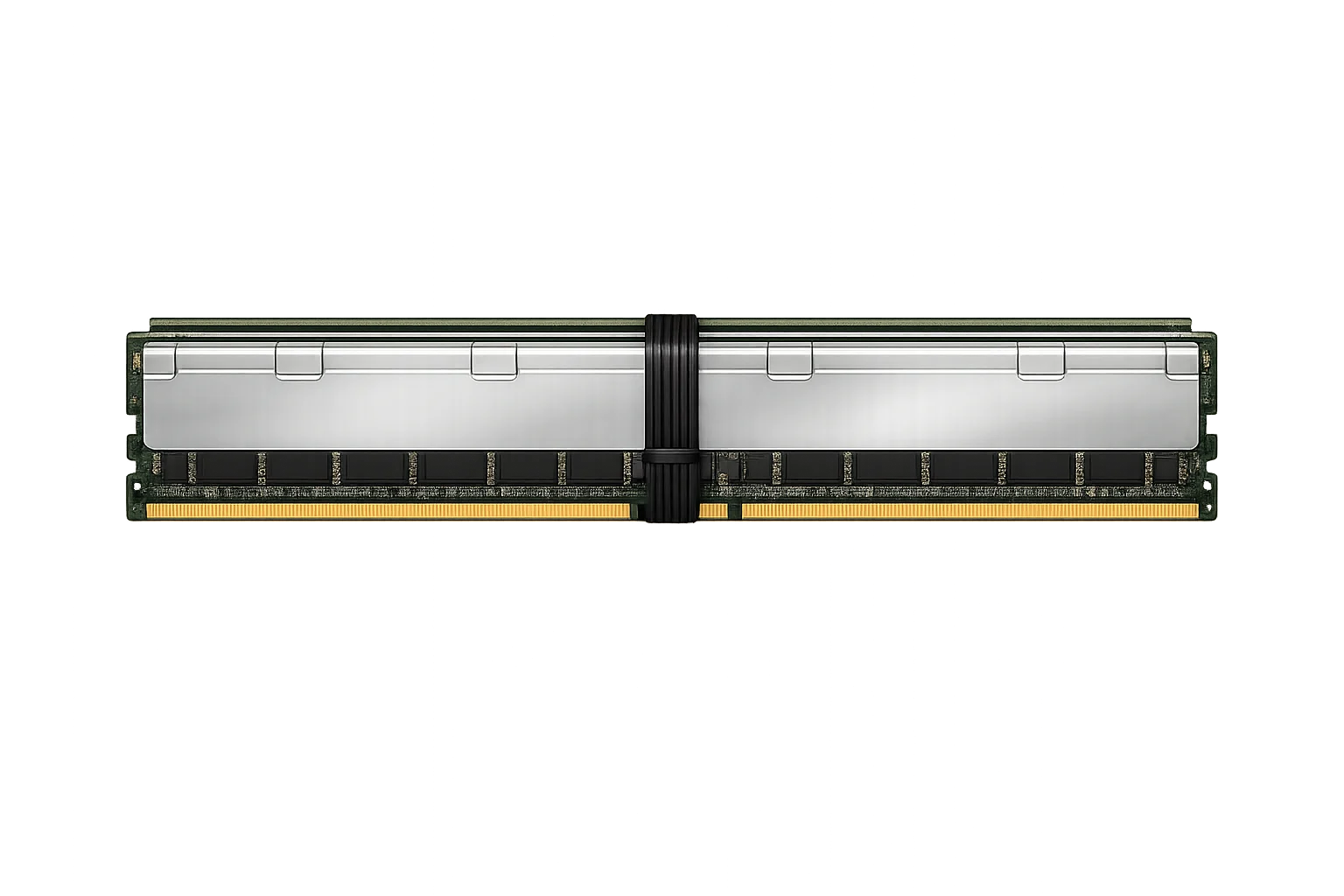
The value within a rack can come from complete systems and individual components. Servers may contain high-value CPUs, memory, GPUs, network adapters, SSDs and NVMe storage.
Network infrastructure may include valuable switches, routers, optics and interface modules.
The key is to identify and value the equipment before it is mixed together, stripped unnecessarily or sent for recycling.
For larger projects, a managed data centre decommissioning service can combine asset auditing, de-racking, secure data processing, logistics, remarketing and responsible recycling.
Learn more about Flux IT Hardware’s data centre decommissioning services:
Multi-Site Refreshes Can Add Up
Individual laptops, desktops or network devices may have a lower unit value than enterprise data centre hardware, but large quantities can still generate a worthwhile return.
In one multi-site laptop refresh, £24,000 of value was recovered.
For organisations replacing equipment across several locations, asset recovery can help offset the cost of the refresh while simplifying the collection and processing of old devices.
It can also provide a clearer record of what happened to the equipment after it left each site.
Which Enterprise IT Brands Can Retain Value?
The value of surplus hardware depends on the exact model, specification, age, condition, quantity and current market demand.
However, modern equipment from leading enterprise manufacturers can retain significant residual value.
Cisco Networking and Data Centre Equipment
Cisco equipment is commonly found in enterprise networks and data centres, and many models continue to have demand after being removed from their original environment.
High-value equipment can include:
- Cisco Catalyst 9200, 9300, 9300X, 9400 and 9500 switches
- Cisco Nexus 3000, 7000 and 9000 data centre switches
- Cisco UCS servers and Fabric Interconnects
- Cisco ASR and ISR routers
- Cisco Firepower appliances
- Meraki equipment
- Network modules, power supplies and optics
Exact part numbers matter. Two switches from the same product family can have very different values depending on their specification and configuration.
If you are carrying out a Cisco network refresh, Flux IT Hardware can assess the equipment before it is sent for disposal.
HPE and Aruba Infrastructure
HPE servers and Aruba networking equipment can also retain strong secondary-market demand.
This can include HPE ProLiant servers, storage systems, Aruba CX switches, enterprise wireless equipment, network modules, power supplies and optics.
Recent Aruba switching platforms may be particularly relevant during network upgrades or vendor migrations.
Rather than automatically sending reusable switches into a recycling stream, organisations can first have the equipment valued for potential resale and reuse.
Dell, Arista and Juniper
Other enterprise brands can also represent significant asset recovery opportunities.
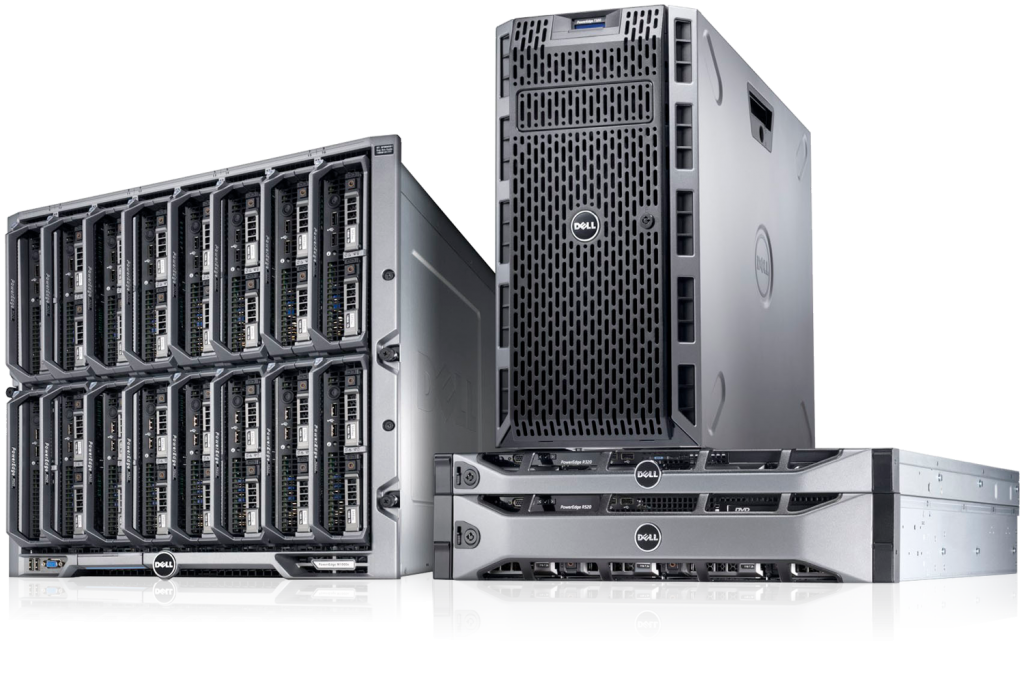
Dell PowerEdge servers may retain value based on their generation and configuration. Memory, processors, storage and network adapters can materially affect the final valuation.
Modern Arista data centre switches, particularly high-speed 25GbE, 40GbE and 100GbE platforms, may also have strong demand.
Juniper EX, QFX, MX and SRX equipment can retain value depending on the exact model, age and market requirements.
The brand name is only the starting point. Accurate part numbers and configurations provide a much clearer picture.
NVIDIA, AI Hardware and High-Performance Infrastructure
AI infrastructure has created a new category of high-value surplus technology.
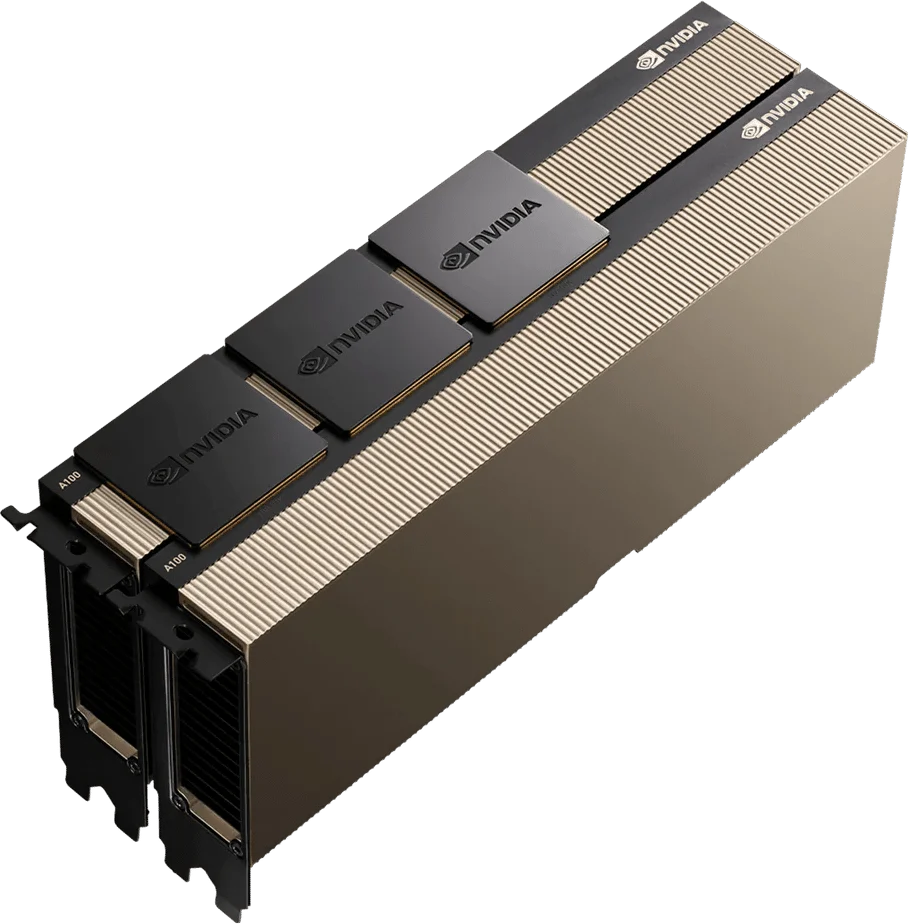
NVIDIA H100, H200 and A100 GPUs, DGX and HGX systems, GPU servers, ConnectX network adapters, BlueField DPUs and high-speed InfiniBand equipment can represent substantial capital investments.
As AI infrastructure develops rapidly, organisations may upgrade systems while the existing equipment still has considerable demand.
Sending this type of hardware directly for recycling without a specialist valuation could mean losing significant potential value.
The same applies to high-speed 200G, 400G and 800G networking, specialist storage and other components used in AI and high-performance computing environments.
Before You Recycle It — Value It First
Planning a data centre decommission, cloud migration, network refresh or major IT upgrade?
Your surplus hardware could still have significant commercial value.
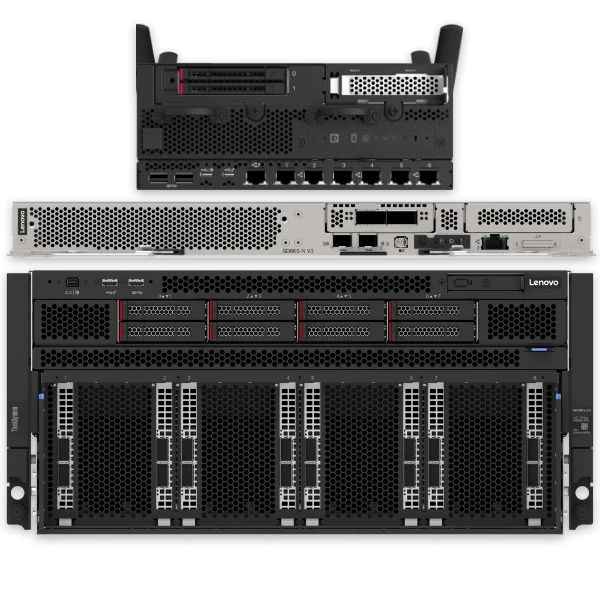
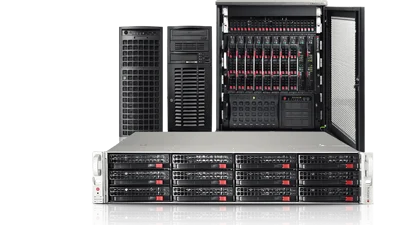
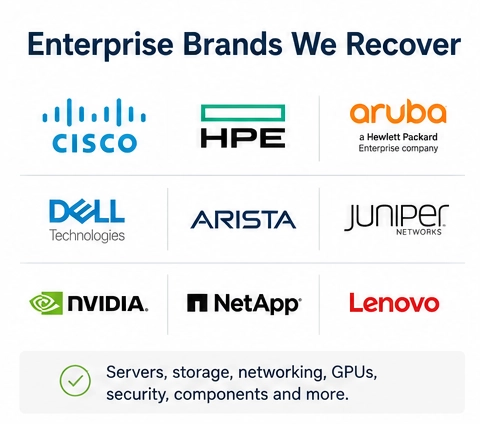
Flux IT Hardware can assess enterprise equipment from manufacturers including Cisco, HPE, Aruba, Dell, Arista, Juniper, NVIDIA, Mellanox, NetApp, Lenovo and Supermicro.
Send an asset list, spreadsheet, photographs or part numbers for an initial assessment.
You could:
- Recover cash from surplus IT assets
- Offset the cost of your next technology refresh
- Arrange secure collection from UK sites and data centres
- Include secure data erasure or destruction where required
- Prioritise reuse and remarketing before recycling
Before you send it for WEEE recycling, find out what it is worth.
Get a fast, no-obligation IT asset valuation.
Call 03330 048885 or request an ITAD valuation through your ITAD service page
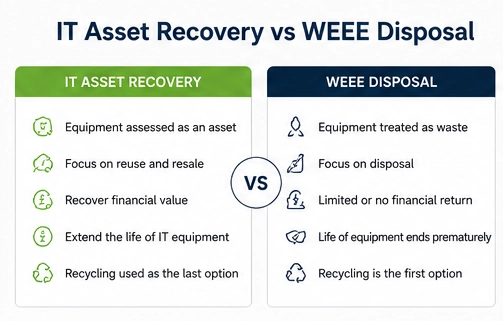
IT Asset Recovery or WEEE Disposal?
WEEE recycling remains an important part of responsible IT asset management. Equipment that has genuinely reached the end of its useful life needs an appropriate recycling route.
However, recycling does not need to be the starting point for every asset.
A modern server, network switch or storage system may no longer meet the requirements of one organisation but could still be suitable for another.
This is why a reuse-first approach can make both commercial and environmental sense.
The aim is not to avoid recycling. It is to avoid recycling valuable, reusable equipment unnecessarily.
The Benefits of Reuse Before Recycling
The most obvious benefit is financial.
Recovering value from surplus equipment can return money to the business, offset the cost of new infrastructure or contribute towards future IT investment.
There is also a sustainability benefit. Extending the useful life of existing technology can reduce unnecessary waste and support a more circular approach to enterprise IT.
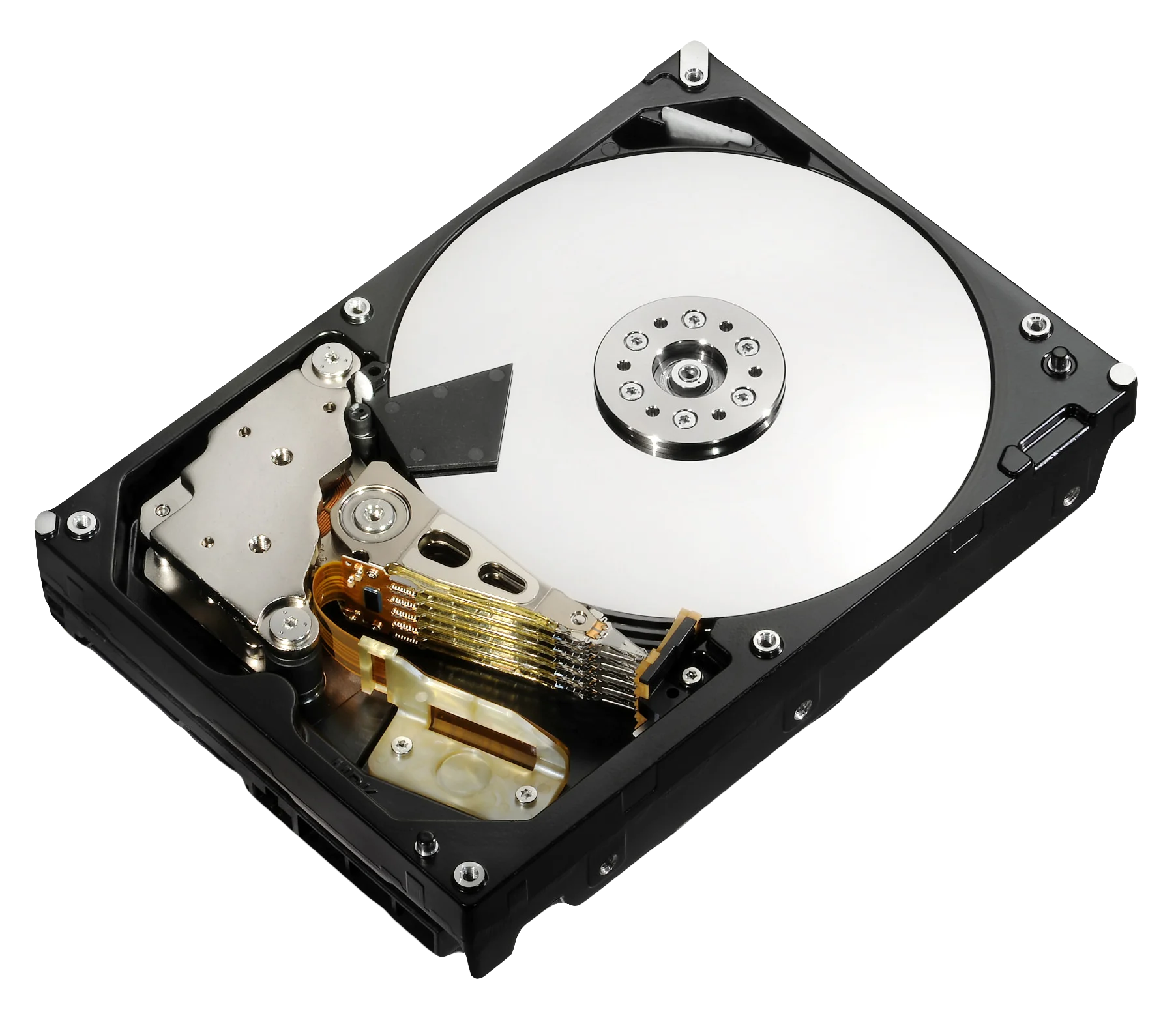
Data security remains essential throughout the process. Depending on the project, data-bearing assets can be securely erased or physically destroyed, with appropriate reporting and documentation.
Reuse and security are not mutually exclusive when the process is managed correctly.
Trade In Old IT and Trade Up to Newer Technology
Selling equipment for cash is not the only option.
If your organisation is replacing existing infrastructure, the residual value of the old equipment could help reduce the cost of the upgrade.
Flux IT Hardware’s Trade-In, Trade-Up service allows organisations to have existing equipment valued and use that value towards replacement technology.
This can be particularly useful when upgrading network switches, servers, storage, firewalls, data centre infrastructure or business computing equipment.
For example, an organisation moving from older Cisco switching to Catalyst 9300X, or replacing existing networking with newer Aruba CX infrastructure, may be able to recover value from the equipment being removed.
The benefits can include a lower net upgrade cost, simpler removal of old equipment and a more circular approach to IT procurement.
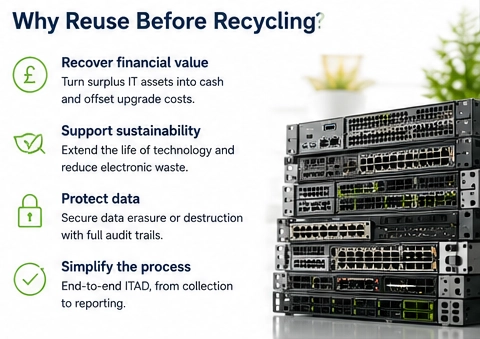
Sell It, Trade It, Reuse It — Then Recycle What Remains
There is no single correct route for every surplus IT asset.
If the equipment is no longer needed, selling it may provide a direct financial return.
If you are replacing it, trading it in could help fund the upgrade.
For a larger estate, an ITAD programme can combine secure collection, data processing, asset recovery, remarketing and recycling.
For a complete data centre or colocation exit, a managed decommissioning project may be the most practical approach.
Only when equipment has no viable commercial or operational second life should recycling become the final route.
Before disposing of surplus IT, ask four simple questions:
- Can it be sold?
- Can it be traded in towards an upgrade?
- Can it be securely reused or remarketed?
- If not, does it need to be recycled?
What Information Is Needed for an IT Asset Valuation?
Getting an initial valuation does not need to be complicated.
An asset list containing the manufacturer, model or part number and quantity is a good starting point.
For higher-value servers and storage, configuration information can improve accuracy. This may include processors, memory, GPUs, drives, network adapters and other installed components.
Photographs can also help when exact specifications are not immediately available.
For larger data centre projects, equipment can be assessed as part of the wider decommissioning process.
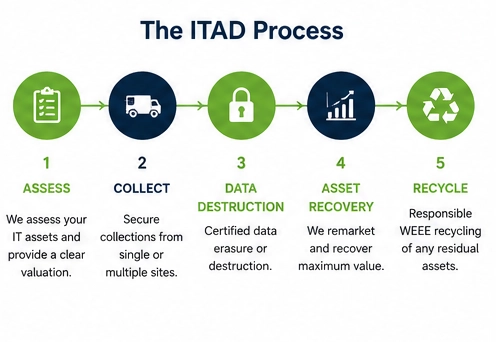
A More Valuable Approach to Surplus Enterprise IT
Surplus IT equipment should not automatically be viewed as waste.
A cloud migration could release hundreds of thousands of pounds of infrastructure. A network refresh could leave valuable Cisco or Aruba switches behind. A data centre decommission could contain servers, storage, GPUs and networking with strong secondary-market demand.
Even a routine multi-site refresh can generate a meaningful financial return when equipment is assessed and managed correctly.
The important step is to consider value before disposal.
Planning an IT Refresh, Cloud Migration or Data Centre Decommission?
Flux IT Hardware provides IT asset disposition, enterprise hardware buyback, Trade-In and Trade-Up, data centre decommissioning, secure data processing and asset recovery services.
Send us your asset list, spreadsheet, photographs or part numbers and we can help identify the most appropriate route.
Sell it. Trade it. Reuse it. Then responsibly recycle what remains.
Before You Recycle It — Value It First.
Call 03330 048885 for a fast, no-obligation assessment.

ITAD v Recycling FAQ’s
Send Flux IT Hardware an asset list, spreadsheet, photographs or part numbers. The more information you provide about the equipment and its configuration, the more accurately the potential value can be assessed.
Before disposal, create an asset list and identify the manufacturer, model, part number, quantity and configuration wherever possible. Then obtain a specialist valuation to determine which assets can be sold, traded in, securely reused or remarketed. Equipment with no viable second life can then be responsibly recycled.
Yes. Money recovered from surplus equipment can help offset the cost of new servers, networking, storage or other technology. Alternatively, equipment may be suitable for a Trade-In, Trade-Up arrangement, allowing its residual value to contribute towards replacement hardware.
Projects can include complete estates containing a mixture of equipment, rather than only individual high-value assets. The most appropriate approach depends on the quantity, location, equipment mix and overall project requirements. Providing a complete asset list allows the project to be assessed as a whole
Ideally, obtain a valuation before the equipment is de-racked, mixed with other waste streams or sent for recycling. Early assessment makes it easier to identify exact models and configurations, preserve valuable components and plan secure collection or decommissioning.
Selling equipment is primarily a commercial transaction for assets with resale value. ITAD is a broader process that can include asset auditing, secure logistics, chain of custody, data sanitisation, reporting, remarketing, value recovery and recycling. Larger or more complex projects may require a full ITAD service rather than a straightforward hardware purchase.
Yes. A data centre decommissioning project can include asset assessment, valuation, de-racking, secure collection, data erasure or destruction, asset recovery, remarketing and responsible recycling. This provides a single managed process for both valuable reusable assets and equipment that has reached the end of its useful life.
Equipment that has no viable reuse or resale route can be processed through an appropriate responsible recycling route. A complete ITAD approach aims to recover value and prioritise reuse where possible, while ensuring genuinely end-of-life equipment is handled responsibly.
Where equipment is secure, functional and commercially viable for a second life, reuse can extend the useful life of the technology and reduce unnecessary electronic waste. Recycling remains essential for equipment that cannot be reused, but it does not always need to be the first option.
Not necessarily. In many cases, data-bearing drives can be securely erased or physically destroyed while the remaining server, storage chassis or other components are assessed for reuse. The correct approach depends on your organisation’s security policy, the type of media and the agreed data destruction requirements.
Yes, where appropriate. Data-bearing devices can be securely erased using agreed data sanitisation processes before the equipment is reused or remarketed. Where secure erasure is not appropriate or physical destruction is required, data-bearing media can be destroyed while other reusable components may still be recovered.
Yes. Valuing assets before decommissioning can help identify high-value equipment and plan the most appropriate route for each asset. An early assessment can also support project budgeting, logistics and decisions around resale, trade-in, secure data processing and recycling.
Ideally, provide the manufacturer, model or part number, quantity and condition of each asset. For servers, storage and AI hardware, configuration details such as CPUs, memory, GPUs, drives and network adapters can improve valuation accuracy. Spreadsheets, asset registers and clear photographs can also be used for an initial assessment.
The amount depends entirely on the assets involved. Modern enterprise hardware can generate a substantial return when processed at scale. Factors include manufacturer, model, specification, quantity, age, condition and market demand. A detailed asset list is the best starting point for an accurate valuation.
Yes. If you are upgrading your infrastructure, the residual value of existing equipment may be used to help offset the cost of replacement technology. A Trade-In, Trade-Up approach can be useful for network refreshes, server upgrades, storage replacements and other infrastructure projects.
Yes, depending on the model, age and condition. Modern Cisco Catalyst and Nexus switches, Cisco UCS equipment, Aruba CX switches, wireless infrastructure, modules, power supplies and optics may have resale demand. A specialist valuation can help determine whether the equipment should be sold, traded in, remarketed or recycled.
Equipment from manufacturers including Cisco, HPE, Aruba, Dell, Arista, Juniper, NVIDIA, Mellanox, NetApp, Lenovo and Supermicro can retain value. However, the brand alone does not determine the price. The exact part number, generation, configuration, condition, quantity and current demand are usually more important.
Yes. Equipment removed during a data centre refresh, cloud migration or colocation exit may still have significant residual value. Modern servers, switches, routers, storage systems, GPUs and individual components can all have secondary-market demand. Even equipment that is no longer suitable for your organisation may still be useful elsewhere.
High-value assets can include modern enterprise servers, Cisco and Aruba network switches, data centre networking, storage systems, NVIDIA GPUs, AI infrastructure, high-speed network adapters, SSDs, NVMe drives, memory and optical transceivers. Value depends on the exact model, specification, age, condition, quantity and current market demand.
IT asset recovery can be an alternative for equipment that still has a viable commercial or operational second life. Rather than automatically treating all retired IT equipment as waste, assets are assessed for reuse, resale or remarketing first. Equipment that cannot be economically or securely reused can then be responsibly recycled through an appropriate WEEE route.
Yes, particularly if you have enterprise servers, networking equipment, storage, GPUs or relatively recent business IT hardware. Some equipment may have considerably more value as a reusable asset than as recyclable material. An asset valuation can identify equipment suitable for resale, remarketing or trade-in before recycling is considered.
Need help buying, selling or managing enterprise IT hardware?
Talk to the Flux IT team for fast, flexible support — whether you need to source a single switch, shift a full data centre, or anything in between.