Types of Data Centres Explained
Enterprise • Colocation • Hyperscale • Edge • AI / HPC Infrastructure
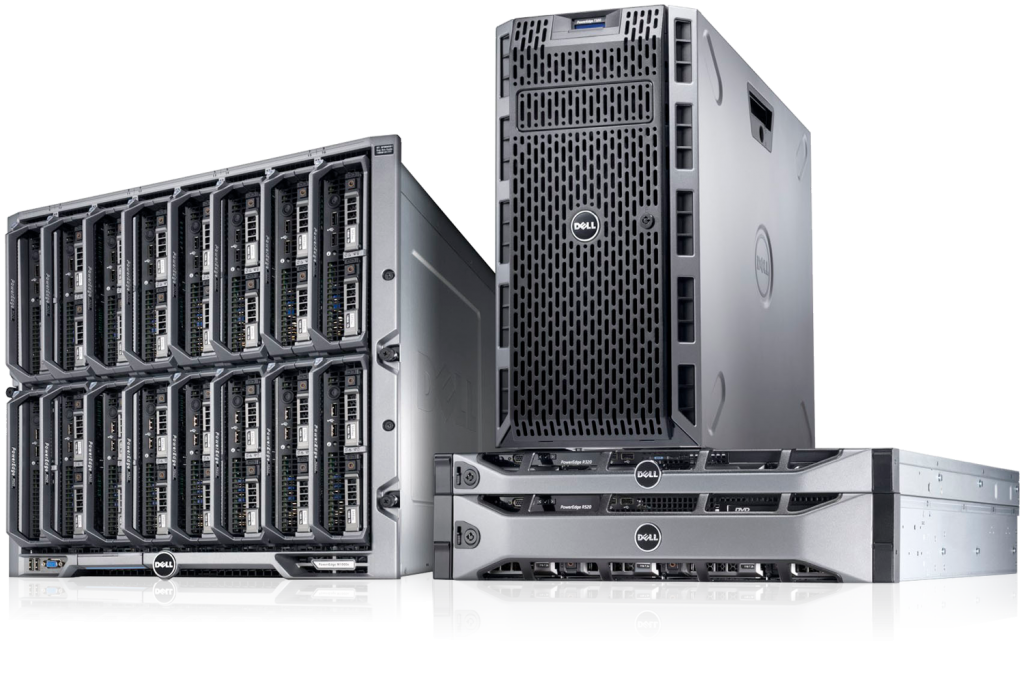
Modern businesses rely heavily on data centres to run applications, manage storage, power networking infrastructure, and support emerging technologies such as artificial intelligence and high-performance computing.
From enterprise server rooms to hyperscale cloud facilities, organisations depend on reliable infrastructure to keep their systems running efficiently.
However, managing a data centre environment involves more than just installing servers. Organisations must manage the entire lifecycle of IT hardware, including sourcing equipment, scaling infrastructure, and disposing of retired assets responsibly.
At Flux IT Hardware, we support organisations across the UK with:
• Enterprise IT hardware sourcing
• Short-term server and infrastructure rental
• Surplus IT equipment buyback
• Responsible IT asset disposal
If you are expanding your infrastructure or upgrading equipment, our team can help you source enterprise networking and server hardware
We also provide flexible IT hardware rental services.
Organisations can also recover value from older infrastructure using our IT hardware trade-in programme.
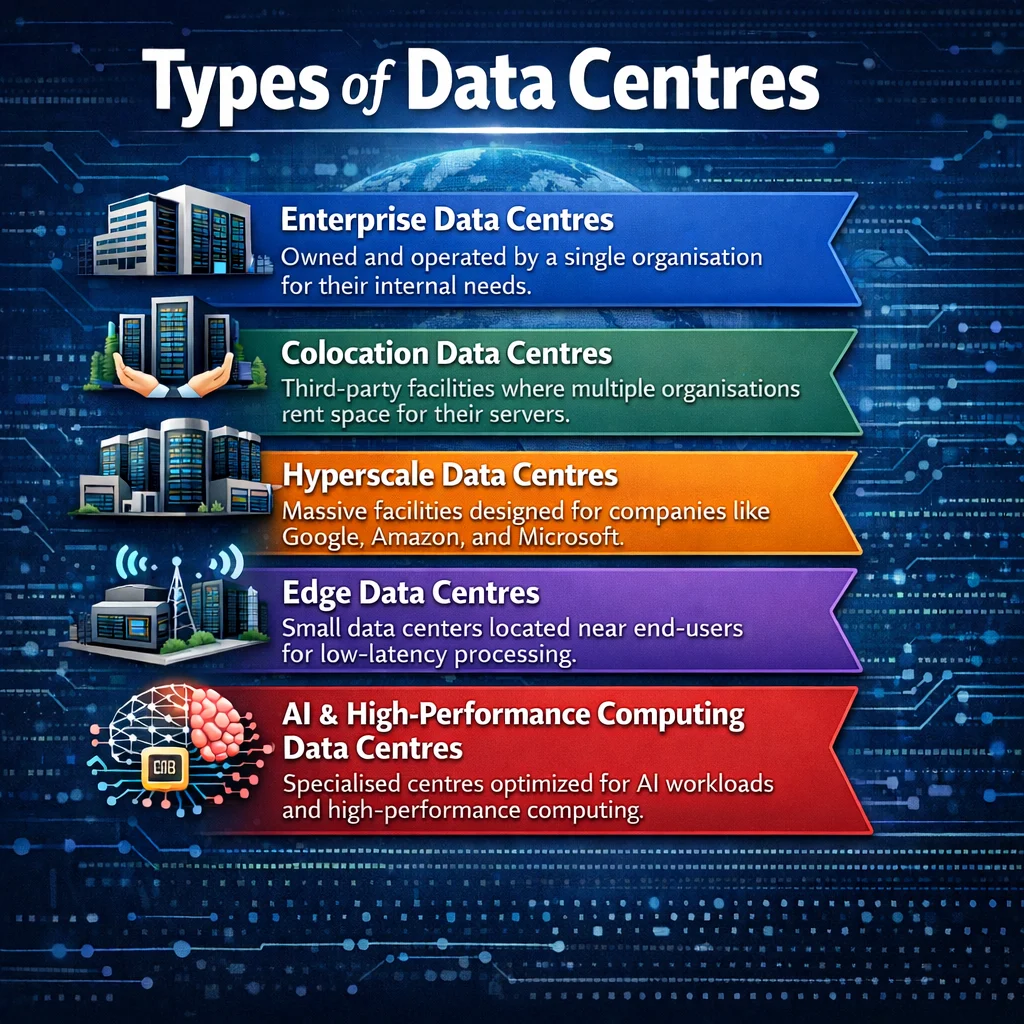
The Five Main Types of Data Centres
Not all data centres are built the same. Different organisations deploy infrastructure depending on their performance requirements, security policies, and scalability needs.
The five most common data centre environments are:
-
Enterprise Data Centres
-
Colocation Data Centres
-
Hyperscale Data Centres
-
Edge Data Centres
-
AI and High-Performance Computing Data Centres
Each type of facility has unique infrastructure requirements and operational challenges.
1. Enterprise Data Centres
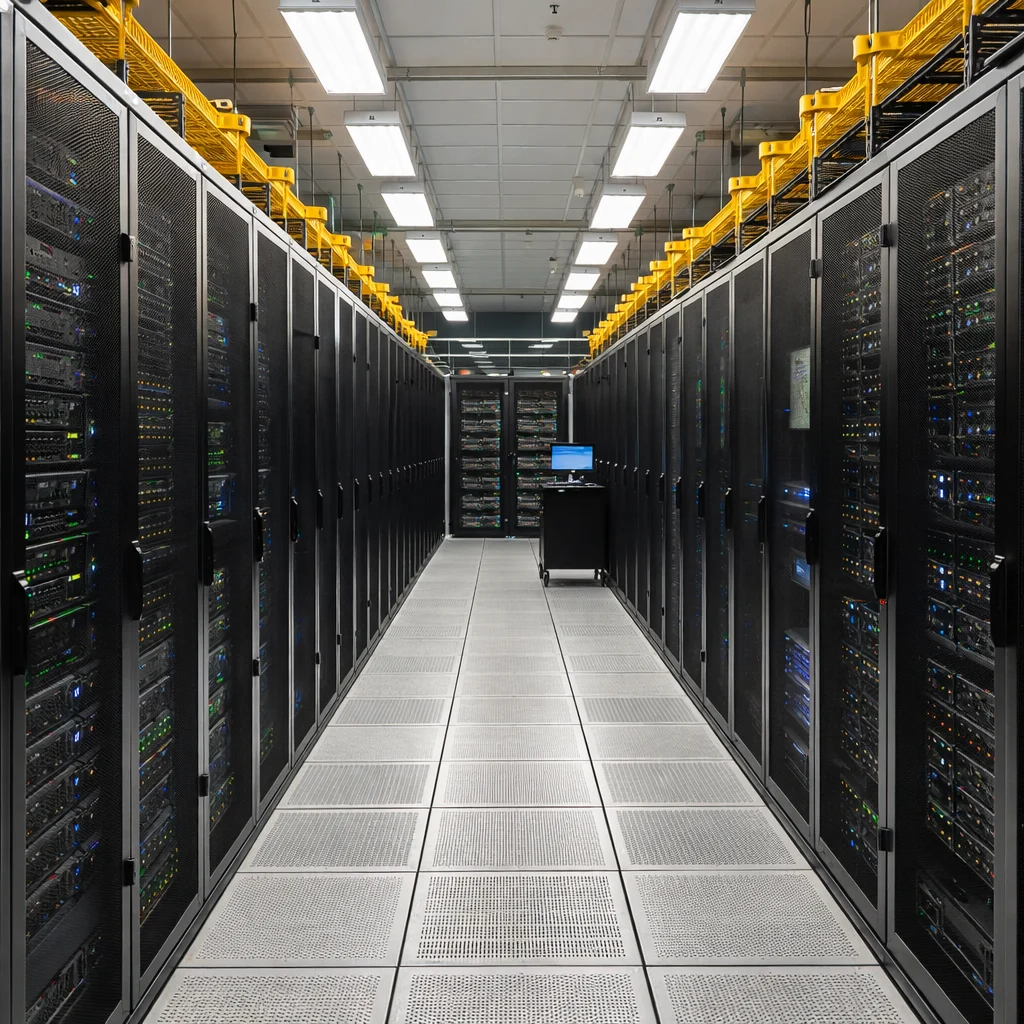
Enterprise data centres are privately owned facilities used by organisations to run internal systems and applications.
These environments are common in industries such as:
• Banking and financial services
• Government and public sector
• Healthcare organisations
• Universities and research institutions
• Manufacturing companies
Enterprise data centres typically include:
• High-performance servers
• Enterprise network switches and routers
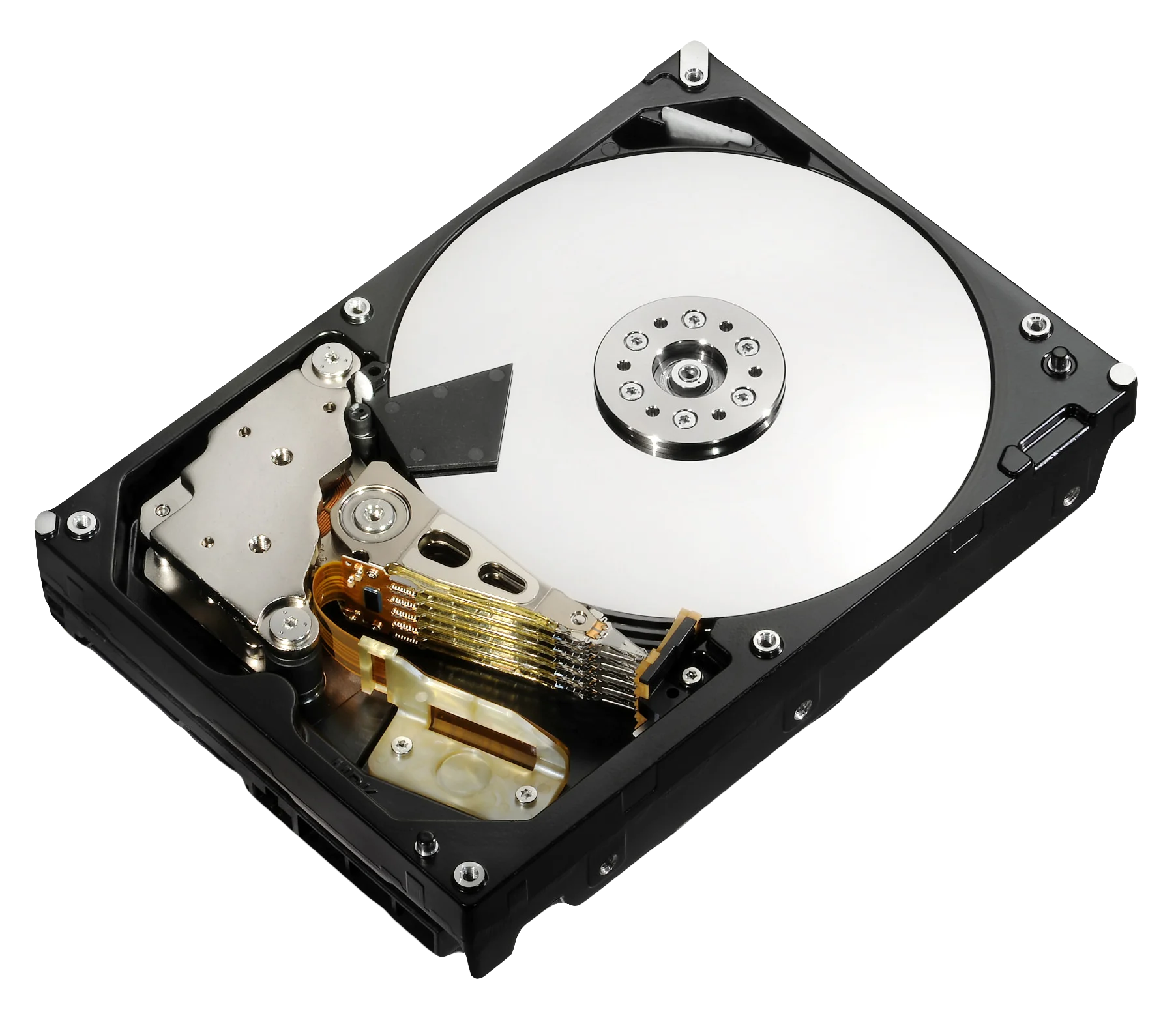
• Storage systems and backup infrastructure
• Disaster recovery environments
Many enterprise environments operate a mix of modern and legacy hardware, which creates challenges when equipment approaches End-of-Service-Life (EOSL).
How Flux IT Hardware Helps
Flux IT Hardware helps enterprise organisations extend infrastructure life by providing:
• New and refurbished Cisco networking hardware
• Rapid supply of replacement parts for EOSL equipment
• Flexible enterprise server rental during upgrades or migrations
• Hardware buyback when infrastructure is refreshed
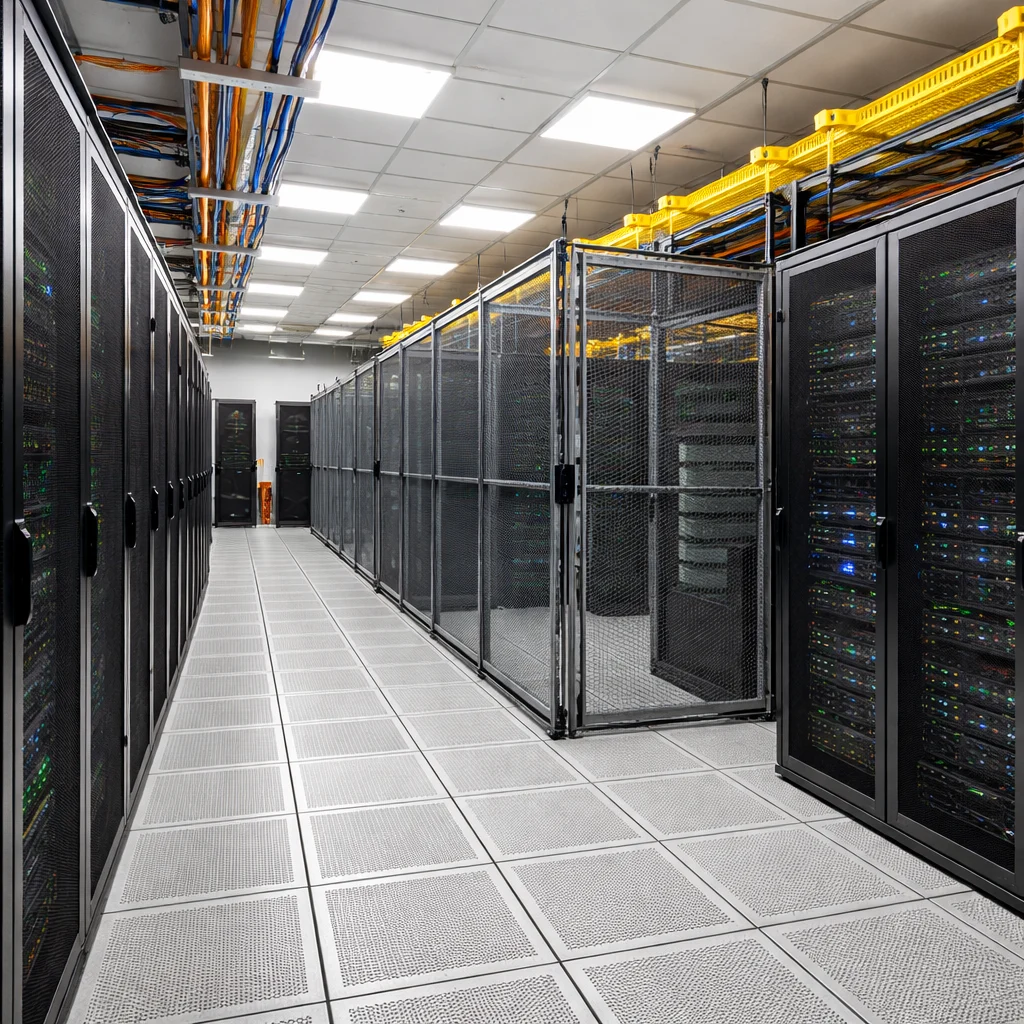
2. Colocation Data Centres
Colocation data centres allow organisations to place their own hardware inside shared facilities.
The facility provider supplies:
• Power and cooling
• Physical security
• Network connectivity
• Rack space
Companies install and manage their own infrastructure within the facility.
Colocation is commonly used by:
• SaaS companies
• Managed service providers
• Fintech organisations
• Media and streaming platforms
How Flux IT Hardware Supports Colocation Infrastructure
Flux IT Hardware helps organisations scale infrastructure quickly by providing:
• Enterprise networking hardware
• High-performance servers
• Compatible replacement equipment
• Flexible IT hardware rental solutions
This enables organisations to expand capacity without waiting for long manufacturer lead times.
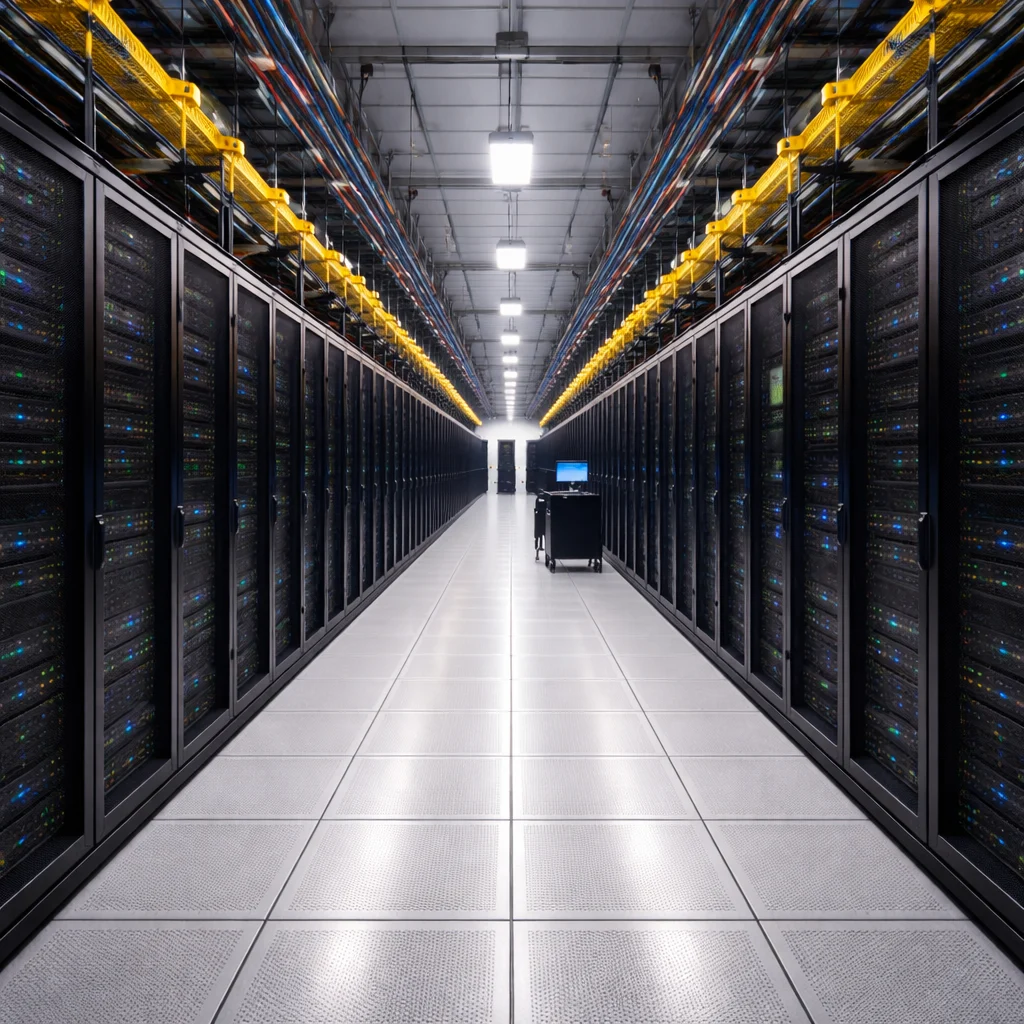
3. Hyperscale Data Centres
Hyperscale data centres support the world’s largest cloud platforms and digital services.
These facilities operate at an enormous scale and often contain tens of thousands of servers.
Key characteristics include:
• Large distributed compute clusters
• Massive east-west network traffic
• Highly automated infrastructure
• High-density server deployments
Hyperscale networking environments increasingly rely on high-speed connectivity.
Flux IT Hardware supplies compatible 800G and 400G OSFP transceivers used in modern high-speed networking environments
4. Edge Data Centres
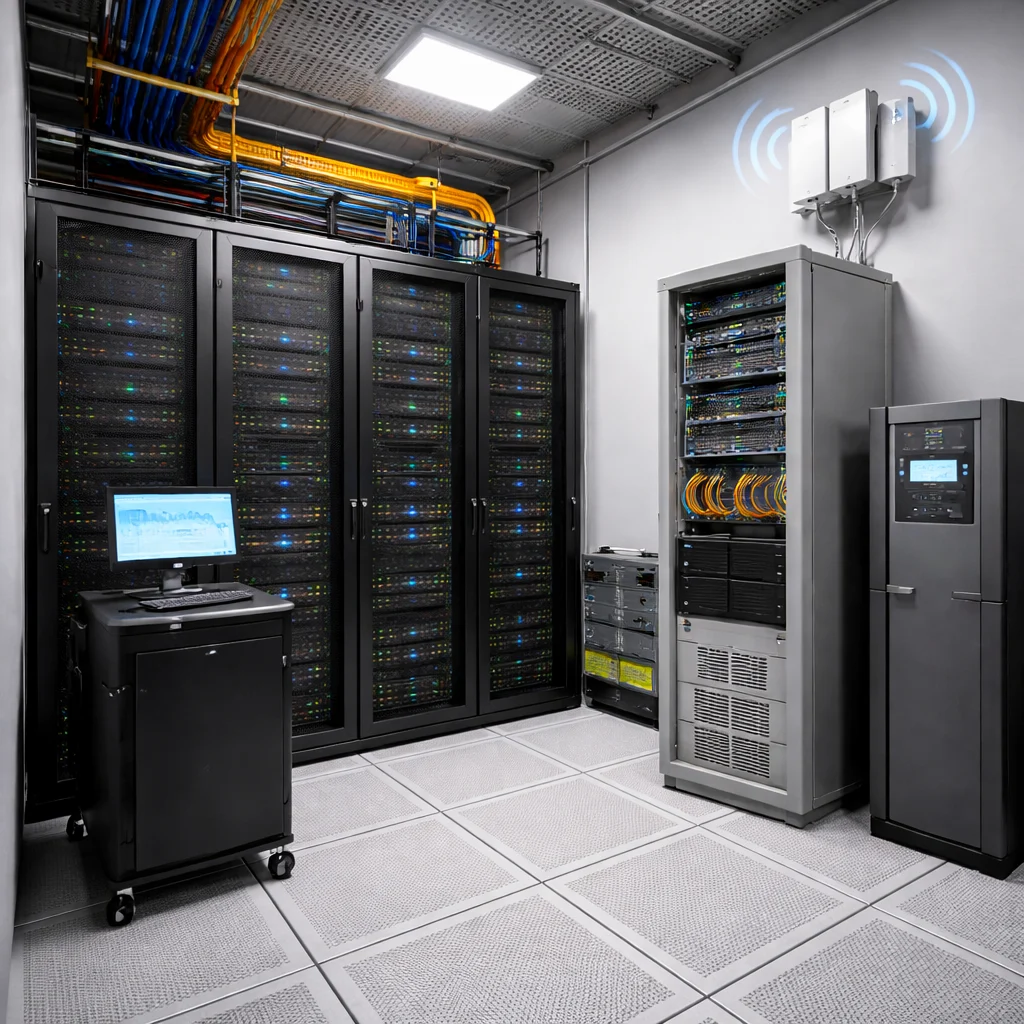
Edge data centres are smaller facilities located closer to end users or connected devices.
Their primary purpose is to reduce latency by processing data closer to where it is generated.
Edge infrastructure supports:
• IoT networks
• Smart city infrastructure
• Telecom networks
• Content delivery networks
• Industrial automation
Organisations often upgrade edge infrastructure frequently as technology evolves.
Many organisations choose to sell surplus servers when upgrading hardware
5. AI and High-Performance Computing Data Centres
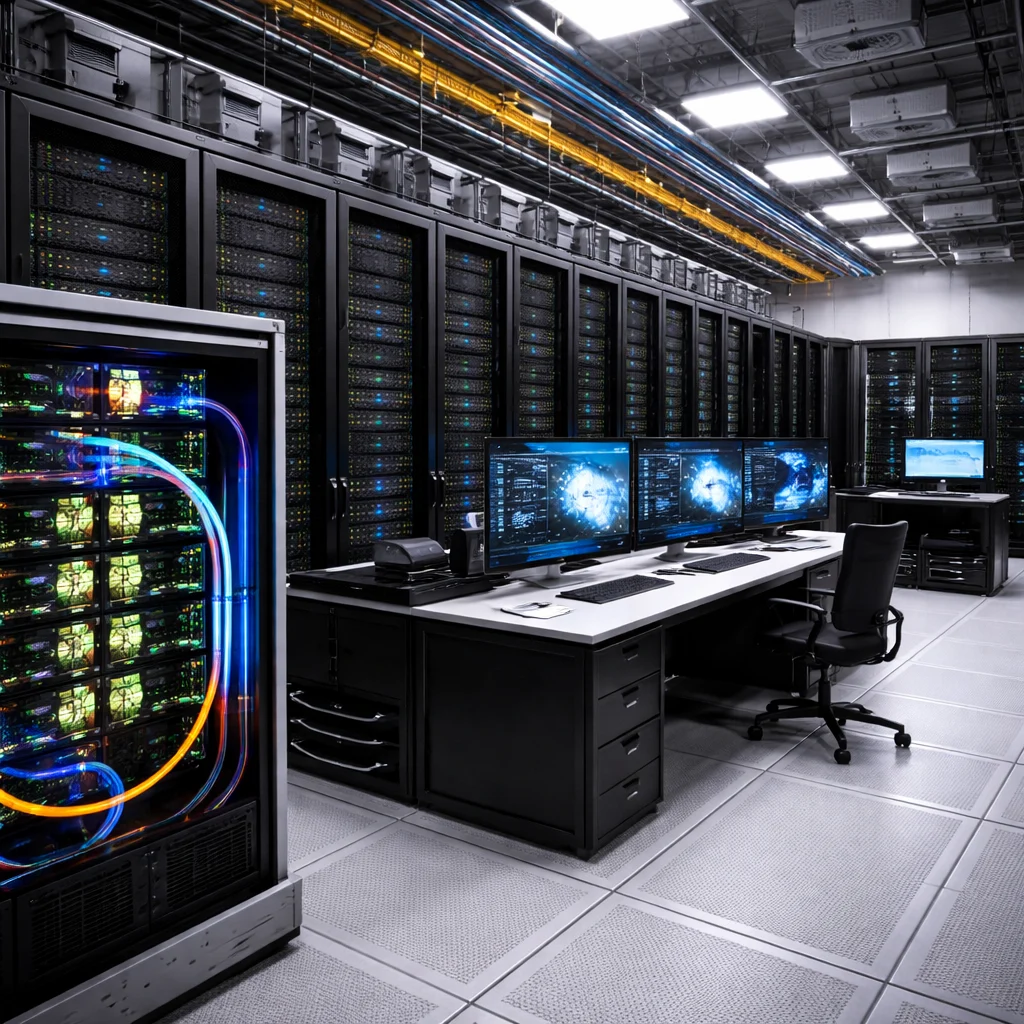 Artificial intelligence and high-performance computing environments are rapidly transforming data centre architecture.
These facilities require specialised infrastructure, including:
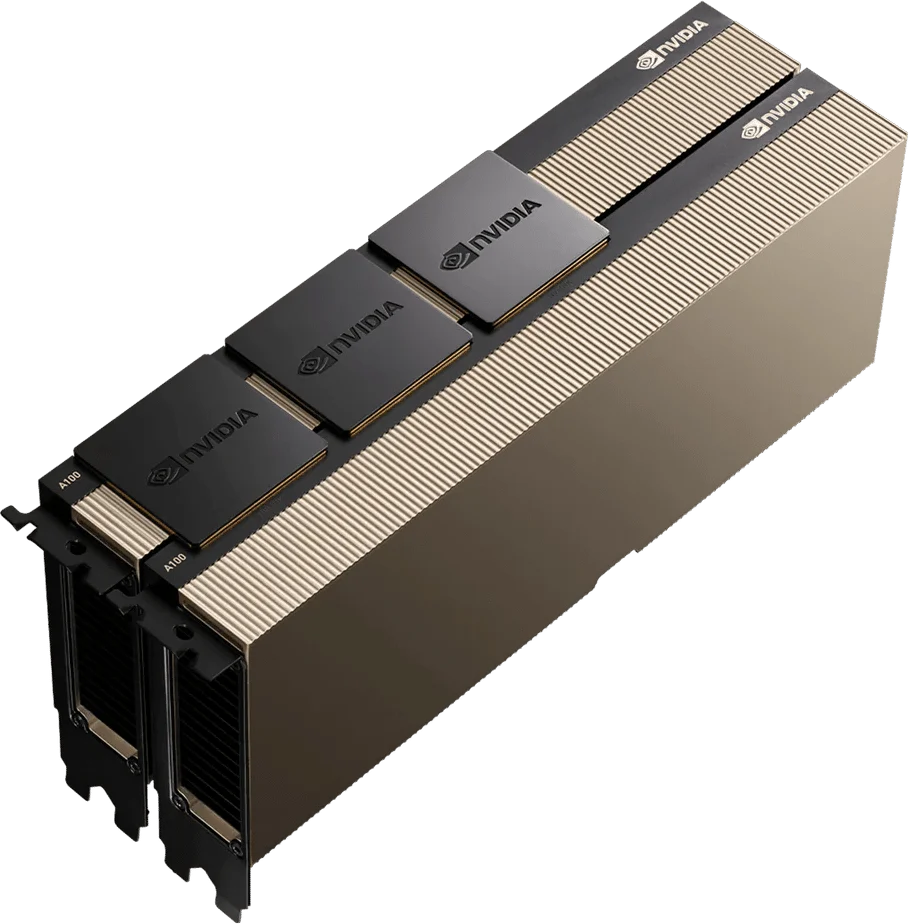
• GPU-accelerated servers
• Ultra-high-speed networking
• Advanced cooling systems
• High-density power delivery
Organisations deploying AI infrastructure often require temporary environments for testing and development.
Flux IT Hardware supports these projects by providing server sourcing, networking equipment, and infrastructure buyback services.
Organisations upgrading their infrastructure can also sell unwanted AI hardware
Organisations upgrading infrastructure can also sell unwanted AI hardware or sell surplus Cisco networking equipment through Flux IT Hardware.
Speak to a Data Centre Hardware Specialist
Whether you're expanding infrastructure, replacing EOSL equipment, or decommissioning hardware, Flux IT Hardware can help.
Book a 15-minute chat with Beth Mead
Discuss your infrastructure requirements with a Flux IT Hardware specialist.
<Or call us on 03330 048885
Related Data Centre Resources
Frequently Asked Questions
Yes. Flux IT Hardware provides flexible enterprise server rental for migration projects, AI testing environments, and temporary infrastructure expansion.
{
“@context”: “https://schema.org”,
“@graph”: [
{
“@type”: “Service”,
“name”: “Data Centre Hardware Lifecycle Services”,
“provider”: {
“@type”: “Organization”,
“name”: “Flux IT Hardware”,
“url”: “https://flux-it.co.uk”
},
“serviceType”: [
“Enterprise Hardware Sourcing”,
“Server Rental”,
“IT Hardware Buyback”,
“Data Centre Equipment Disposal”
],
“areaServed”: {
“@type”: “Country”,
“name”: “United Kingdom”
},
“url”: “https://flux-it.co.uk/”,
“description”: “Flux IT Hardware helps organisations source, rent, upgrade and sell data centre infrastructure including servers, networking equipment and AI hardware.”
},
{
“@type”: “FAQPage”,
“mainEntity”: [
{
“@type”: “Question”,
“name”: “What are the main types of data centres?”,
“acceptedAnswer”: {
“@type”: “Answer”,
“text”: “The five most common types of data centres are enterprise data centres, colocation facilities, hyperscale data centres, edge data centres and AI HPC data centres.”
}
},
{
“@type”: “Question”,
“name”: “What is the difference between enterprise and hyperscale data centres?”,
“acceptedAnswer”: {
“@type”: “Answer”,
“text”: “Enterprise data centres are privately owned facilities used by organisations, while hyperscale data centres support large cloud platforms with massive server infrastructure.”
}
},
{
“@type”: “Question”,
“name”: “What is an edge data centre?”,
“acceptedAnswer”: {
“@type”: “Answer”,
“text”: “Edge data centres are smaller distributed facilities that process data closer to users or connected devices to reduce network latency.”
}
},
{
“@type”: “Question”,
“name”: “Can organisations sell surplus data centre hardware?”,
“acceptedAnswer”: {
“@type”: “Answer”,
“text”: “Yes. Organisations can sell surplus servers, networking equipment and storage hardware through specialist IT asset recovery providers such as Flux IT Hardware.”
}
},
{
“@type”: “Question”,
“name”: “Does Flux IT Hardware provide server rental?”,
“acceptedAnswer”: {
“@type”: “Answer”,
“text”: “Yes. Flux IT Hardware provides flexible enterprise server rental solutions for temporary infrastructure needs including AI testing and migration projects.”
}
}
]
}
]
}
Yes. Many organisations sell surplus servers, switches, and storage hardware after infrastructure upgrades. Flux IT Hardware provides enterprise hardware buyback services.
An edge data centre is a smaller facility located closer to users or devices that processes data locally to reduce network latency.
Enterprise data centres are privately owned facilities used by organisations to run internal workloads. Hyperscale data centres operate at massive scale and power global cloud platforms.
The five main types of data centres are enterprise data centres, colocation facilities, hyperscale data centres, edge data centres, and AI or high-performance computing environments.