“Enterprise Hardware Rental Basics: A Quick Guide to Handling Capacity Spikes”
It happens to every IT manager eventually. You’re monitoring the network, things are running smoothly, and then: boom. A massive spike in data processing requirements, a seasonal surge in user traffic, or a sudden “end-of-year” project drops on your desk. Suddenly, your current infrastructure is redlining.
In the past, the solution was simple but painful: buy more hardware. But in 2026, with supply chains still unpredictable and budgets under a microscope, purchasing permanent assets for temporary problems is a financial trap. This is where enterprise hardware rental becomes your most strategic move.
At Flux IT Hardware, we’ve seen how businesses struggle to balance fixed costs with fluid demand. This guide will walk you through how to master these capacity spikes without breaking the bank or your sanity.
Quick Take (Read This First) ✅
Problem: Capacity spikes force rushed decisions, inflated pricing, and risky compromises.
Solution: Use enterprise hardware rental to add short-term compute, storage, and networking capacity—fast—without locking yourself into long depreciation cycles.
When to act: Green/Amber, not Red. By the time you’re in the Red zone, your options narrow and costs rise.
What Actually Drives Capacity Spikes? ⚠️
Understanding the “why” behind the spike is the first step in choosing the right rental solution. It’s rarely just a random glitch; usually, it’s a symptom of one of three market drivers:
- Budget Cycles: This is the most common artificial driver. Organisations often face a “use it or lose it” scenario with their fiscal year-end budgets. This creates a sudden rush for infrastructure upgrades, making it harder to find specific equipment on the open market.
- Regional Supply Constraints: Markets in Europe and Asia frequently experience localised scarcity. If a major data centre provider in the UK snaps up a specific line of Cisco ASR 1000 routers, the local availability vanishes instantly.
- Vendor Allocation Policies: Manufacturers often prioritise massive, long-term enterprise contracts. If you’re a mid-market firm needing five servers for a three-month project, you’re at the bottom of the list for new stock.

The Strategy: Why Server Rental UK is the Answer
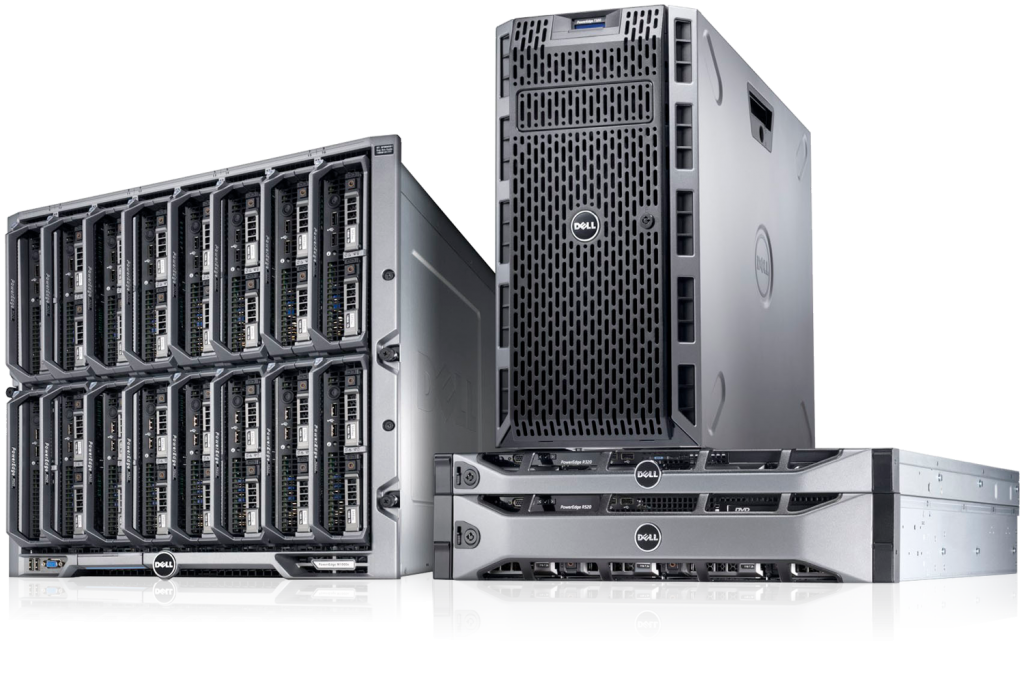
If you need to scale up for 90 days, why commit to a 5-year depreciation cycle on a new server? Server rental UK services allow you to inject high-performance hardware into your stack exactly when you need it and return it once the peak subsides.
1. Financial Agility (OPEX vs. CAPEX)
Buying hardware is a capital expenditure (CAPEX). It’s a high upfront cost that sits on your books and loses value every day. Rental is an operational expenditure (OPEX). It’s predictable, monthly, and scales with your revenue-generating activities.
2. Immediate Deployment
When you’re facing a spike, you don’t have 12 weeks to wait for a manufacturer’s lead time. Rental hardware is usually ready for immediate dispatch. Whether you need refurbished Cisco switches or high-end storage arrays, the turnaround time is days, not months.
3. Testing Before Investing
Not sure if the Cisco Catalyst 9300 is the right fit for your new branch office? Rent it first. Use the “try before you buy” approach to ensure the hardware meets your technical specs before committing to a permanent purchase.
Monitoring and Visibility: Spotting the Red Zone 🔴
You can’t manage what you don’t measure. To master capacity spikes, you need to watch your utilisation rates.
- Green (Below 70%): You have healthy headroom.
- Amber (70% – 85%): You’re approaching the limit. Now is the time to start sourcing rental quotes.
- Red (85%+): You are in a constrained supply situation. Pricing becomes opaque and unpredictable at this stage.

By the time you hit the Red zone, you’re making reactive decisions. Reactive decisions are expensive. We recommend establishing a relationship with a supplier for enterprise hardware rental while you are still in the Green or Amber phase. This gives you a pre-approved procurement path when the “Red” alert eventually hits.
Managing the Risk of “Panic Buying”
When capacity hits 90%, IT departments often panic. They buy whatever is available at whatever price the vendor demands. This often leads to:
- Overpaying for legacy gear.
- Buying equipment that will reach Cisco EOSL (End of Software Maintenance) sooner than expected.
- Integrating non-compatible hardware that creates security gaps.
Instead of panic buying, use an adaptive procurement strategy. This involves reserving capacity before the peak hits. If you know your seasonal peak is in Q4, start your server rental UK negotiations in Q3.
Sustainable IT: The Hidden Benefit ♻️
Mastering spikes isn’t just about performance; it’s about your ESG (Environmental, Social, and Governance) goals. Every time you rent a piece of hardware instead of buying a new one, you are participating in the circular economy.
At Flux IT Hardware, we believe in sustainable IT solutions. Rental hardware is inherently sustainable because it maximises the lifecycle of existing equipment. Once you are finished with the server or switch, it is returned, refurbished, and ready for the next user. This reduces e-waste and lowers the carbon footprint of your IT department.
Choosing Your Rental Partner: 4 Questions to Ask
Not all rental providers are created equal. To ensure your network stays stable during a spike, ask these questions:
- Do you offer support? Hardware is useless if it fails and you have no backup. Ensure your provider offers an enterprise IT break-fix warranty.
- What is the lead time? If they can’t ship within 48 hours, they aren’t a “spike” solution.
- Is the equipment tested? Ensure all rental gear has been through rigorous BSI-standard testing protocols.
- Can I buy it later? Sometimes a “temporary” spike turns into permanent growth. Ensure your rental agreement has a “purchase option” if you decide to keep the gear.
Practical Steps to Mastering Your Next Spike ✅
- Audit Your Current Inventory: Identify which parts of your network are most likely to bottleneck. Is it storage, compute power, or switching capacity?
- Diversify Sourcing: Don’t rely on a single vendor. Establish a secondary market partner like Flux IT to ensure you have an alternative when the primary supply chain fails.
- Benchmark Your Workloads: Understand what “normal” looks like so you can spot “abnormal” early.
- Review End-of-Life Dates: Check if your current hardware is approaching End of Life. Renting newer models can bridge the gap while you plan a full refresh.
Take Control of Your Infrastructure Today
Capacity spikes don’t have to be a crisis. By utilising enterprise hardware rental, you transform a potential network failure into a manageable operational task. You save capital, reduce waste, and keep your business moving forward.
Call to Action: Get Ahead of the Next Spike (Before It Turns Red) 🔴➡️✅
If you’re already seeing Amber utilisation—or you know a project is landing next quarter—now is the time to lock in options.
What to do next (simple, fast)
- Send your requirements (models, quantities, postcode, timeframe).
- Get an availability + lead-time confirmation (not vague estimates).
- Choose rental vs. rent-to-buy based on your project timeline and risk profile.
Ready to move?
Contact Flux IT Hardware for a quote and lead-time check. We’ll help you secure the right servers, switching, storage, and firewall capacity—without panic buying and without overcommitting your budget.
What do we buy?
| Cisco Equipment | Aruba Equipment | AI Hardware |
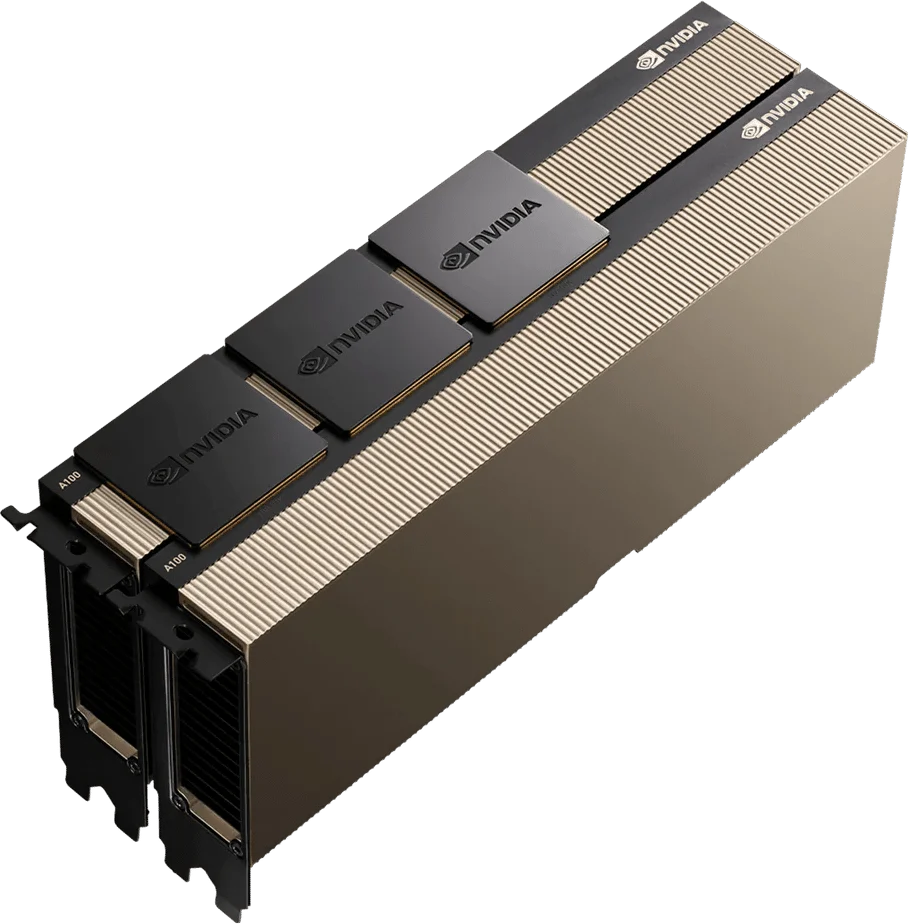
| HPE Equipment | Server Equipment | NVIDIA H100 & A100 AI GPUs |
| Juniper Equipment | Corporate Desktops & Laptops | Barcode Scanners |
FAQ: Everything You Need to Know About IT Rental
Is rental hardware reliable for mission-critical tasks?
Absolutely. All rental hardware from reputable providers undergoes more stringent testing than new equipment. Since it’s been “burned in” through previous use, the risk of “out-of-the-box” failure is significantly lower.
Can I rent specific brands like Juniper or HP?
Right. While Cisco is the market leader, we provide a wide range of brands. You can find out which server brands are most valuable and available for rental on our FAQ page.
What happens at the end of the rental term?
You have options! You can return the equipment, extend the rental, or often purchase the hardware at a depreciated price. It’s entirely flexible based on your needs.
Do you help with the installation?
For sure. While many of our clients have their own IT teams, we offer support and guidance to ensure the rental hardware integrates seamlessly with your existing infrastructure.