 The digital landscape of 2026 has been defined by a relentless drive toward artificial intelligence and high-performance computing. However, for IT managers across the UK and the wider EMEA region, this progress has come at a high logistical cost. What began as a tightening of the semiconductor market has evolved into a full-scale memory (RAM) crisis that is currently paralysing infrastructure projects.
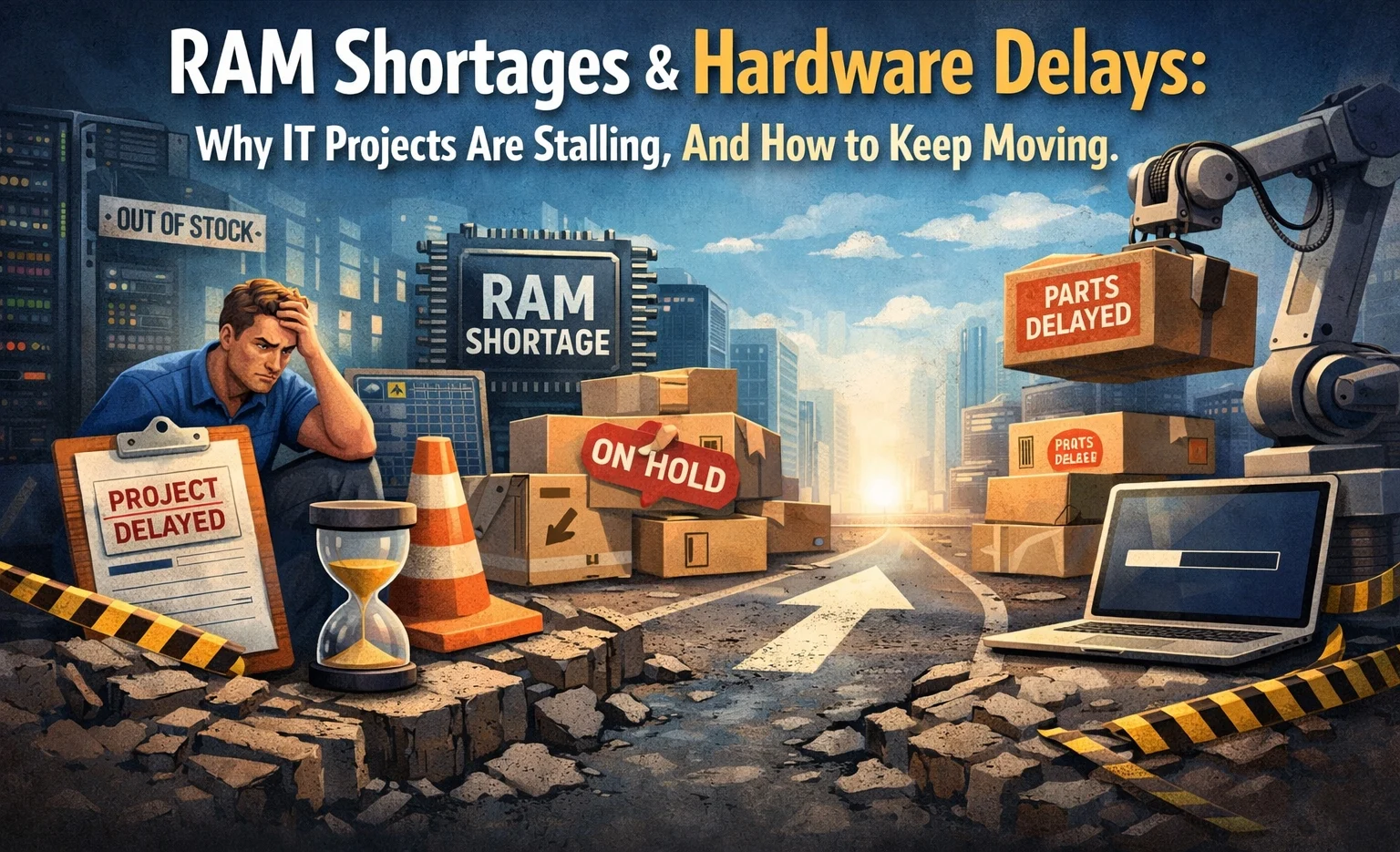
As of March 2026, the IT supply chain is facing a perfect storm. Organisations that planned straightforward hardware refreshes or data centre expansions are encountering lead times that stretch beyond 20 weeks, and in extreme cases, up to 40 weeks. The primary culprit? A global shortage of enterprise-grade RAM has turned what used to be a commodity component into the single biggest bottleneck in modern procurement.
At Flux IT Hardware, we are seeing the direct impact of these delays on our clients. Infrastructure that was supposed to be live months ago remains in “pending” status, not because the chassis or the CPUs aren’t available, but because the memory modules required to make them functional are stuck in a global manufacturing backlog.
The Anatomy of the 2026 RAM Shortage
To understand how to navigate this crisis, we must first look at the factors driving it. This is not a simple repeat of the 2021 supply chain disruptions; it is a structural shift in how semiconductor wafers are being utilised.
1. The Insatiable Appetite of AI
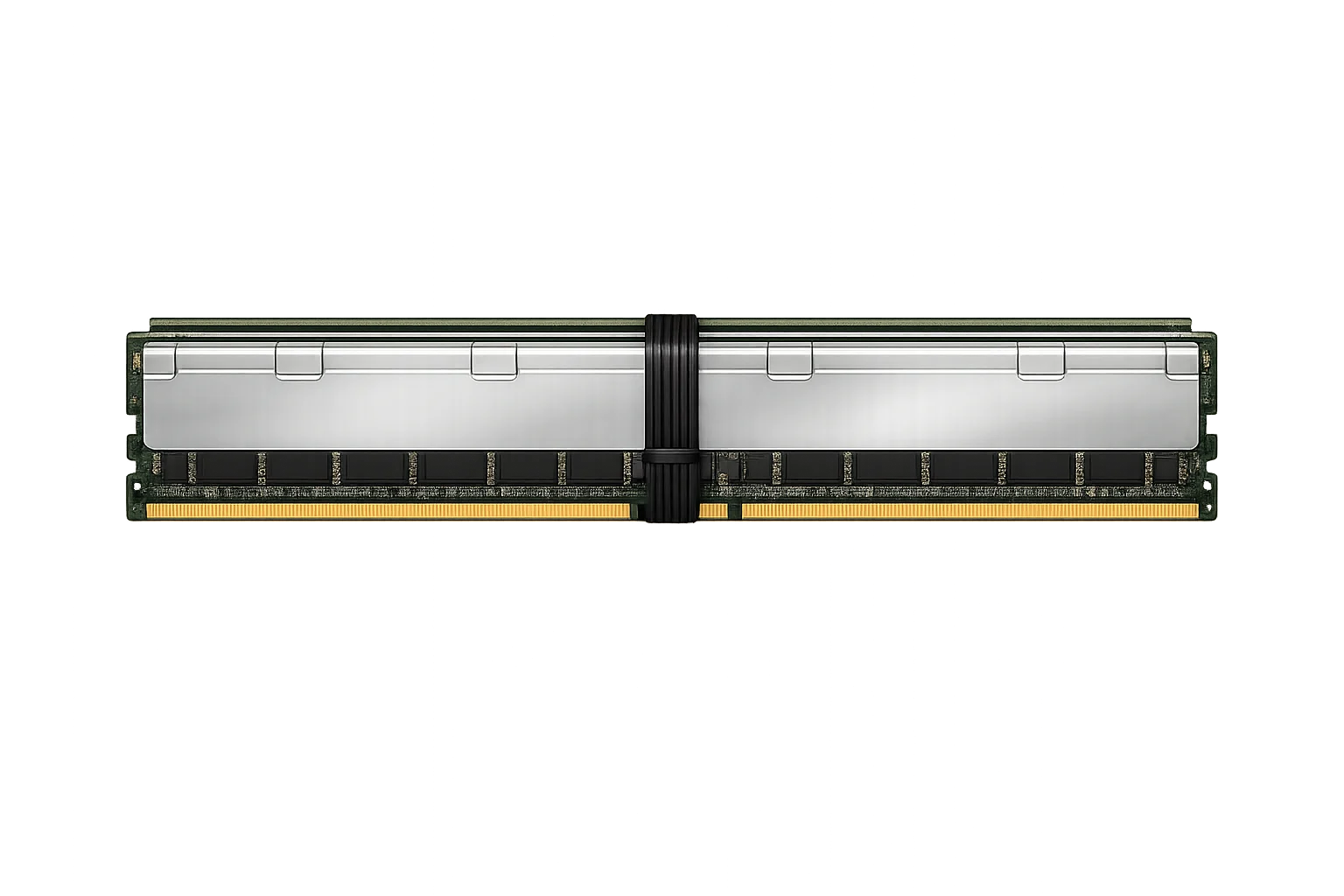
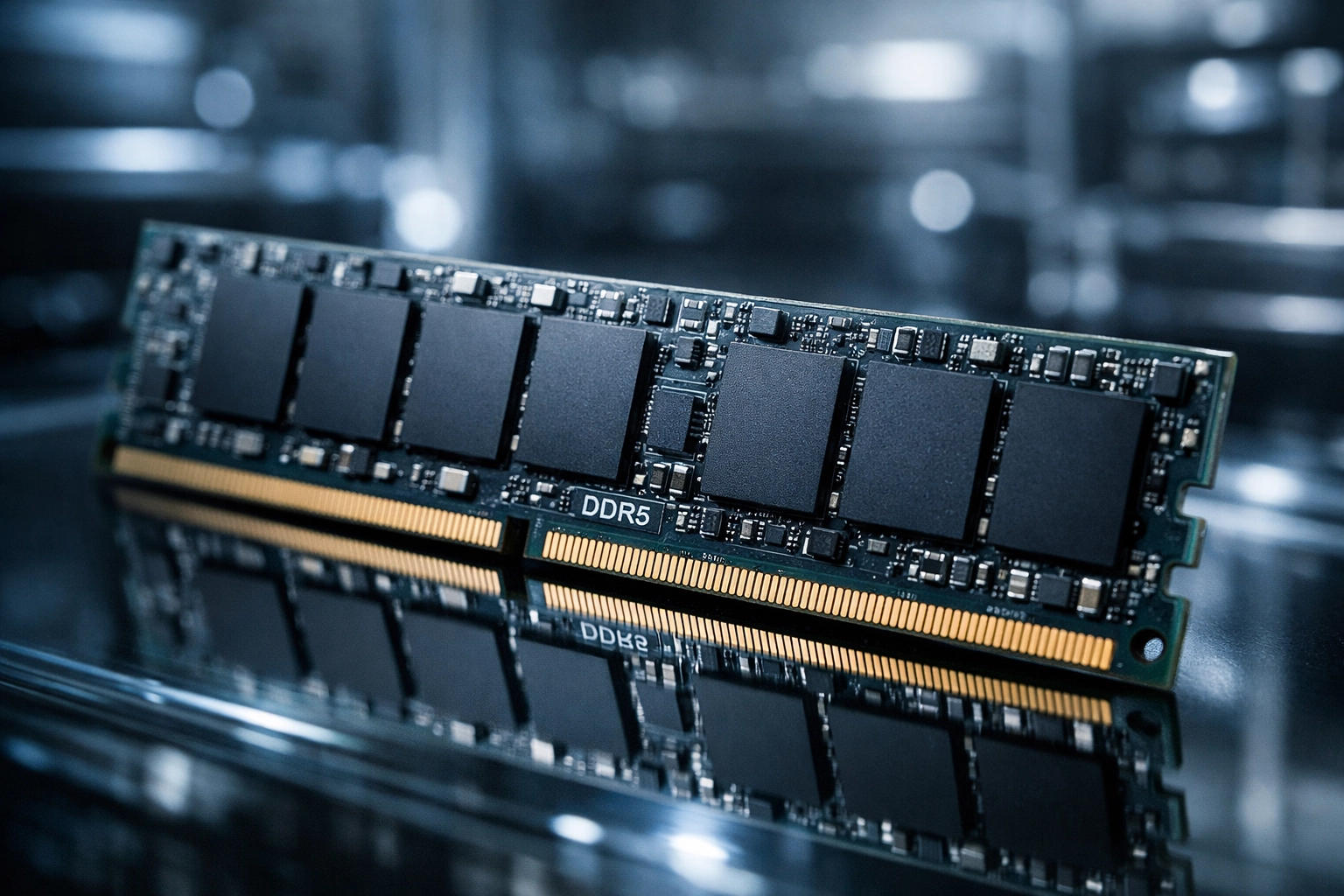
The surge in AI-driven workloads has fundamentally altered the manufacturing landscape. High-speed memory, particularly DDR5 and High Bandwidth Memory (HBM), is being consumed at unprecedented volumes by hyperscalers such as Microsoft, Amazon, and Alphabet. These companies are investing hundreds of billions in generative AI infrastructure, effectively “buying out” the production capacity of major manufacturers such as SK Hynix and Micron. When the world’s largest companies stockpile inventory to secure their AI roadmaps, the rest of the channel is left to fight for the remaining capacity.
2. Manufacturing Capacity Mismatch
Semiconductor fabrication plants (fabs) are running at maximum capacity, but the product mix has shifted. Manufacturers are reallocating production away from traditional DRAM toward specialised HBM. Because building new fabs is a multi-year, multi-billion-pound endeavour, production cannot simply be “dialled up” to meet the unexpected surge in demand. Industry analysts suggest that we may not see significant relief until 2027 or 2028 when new facilities finally come online.
3. Channel Supply Imbalance
Original Equipment Manufacturers (OEMs) naturally prioritise their largest enterprise contracts. For a medium-sized enterprise, a local government body, or an independent data centre operator, this means being pushed further down the priority list. We are currently seeing spot-market RAM pricing increase by 30-60% in the first half of 2026 alone, putting immense pressure on IT budgets set a year in advance.
The Ripple Effect: Stalled Servers and Networking
The shortage isn’t just affecting the RAM sticks themselves; it is stalling the deployment of the entire hardware stack.
Server Deployments Under Pressure
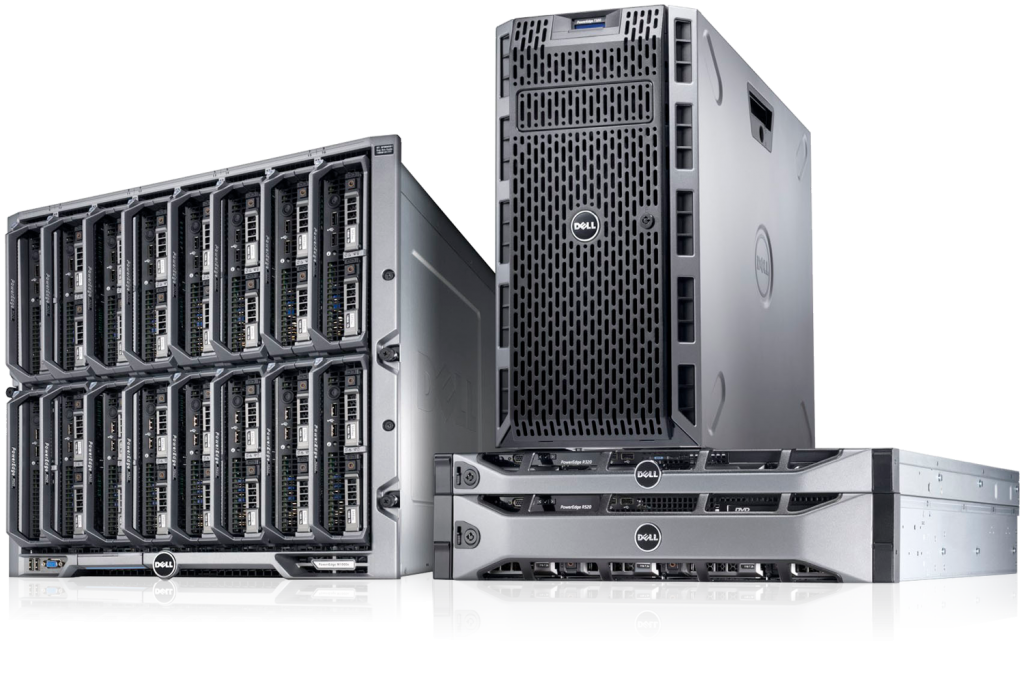
A server without sufficient RAM is effectively a paperweight. Whether you are looking at Dell PowerEdge, HPE ProLiant, or Supermicro builds, the lack of available DDR4 and DDR5 modules means that new servers cannot be configured to the required specifications. This has a direct impact on:
- Virtualisation Platforms: Projects involving VMware or Hyper-V migrations are stalling because the host servers lack the memory density required to support planned VM ratios.
- Data Workloads: SQL databases and big data analytics platforms that require high memory-to-CPU ratios are being left underpowered.
- Testing and Staging: Development environments are being cannibalised for parts to keep production environments running.
Networking Delays: Cisco and Aruba
It is a common misconception that RAM shortages only affect servers. Modern networking hardware, including core switches and high-performance firewalls, relies heavily on embedded memory components. We are seeing significant delays across the Cisco and Aruba product lines.
Core and access switches that facilitate high-speed data transfer are being held back at the factory level. This leads to partial rollouts, where an organisation might have the cabling and racks ready but no “brains” to run the network. The result is continued reliance on ageing, end-of-life infrastructure that poses growing operational and security risks.
The Real Cost of Doing Nothing
For many IT leaders, the initial reaction to a 20-week lead time is to wait. However, “waiting it out” carries its own set of risks:
- Lost Revenue: If a new service or application cannot be launched because the infrastructure isn’t ready, the business loses the revenue associated with that project.
- Operational Risk: Running production workloads on hardware that has surpassed its warranty or lifecycle increases the chance of catastrophic failure.
- Budget Exhaustion: As prices rise, the budget allocated to a project today may no longer cover the hardware costs in six months.

Strategies to Keep Your Projects Moving
If your project is currently stalled, it is time to look beyond the traditional OEM procurement model. At Flux IT Hardware, we specialise in providing the flexibility needed to bypass these bottlenecks.
1. Server Rental: The Immediate Solution
Why wait 20 weeks for a permanent server when you can have a fully configured, enterprise-grade system on-site within days? Our Enterprise Server Rental UK service allows you to deploy immediately.
Whether you need a temporary stopgap while waiting for an OEM order or a long-term rental for a specific project, we provide Dell, HPE, and Supermicro configurations that are fully tested and ready to ship. This approach allows you to hit your deployment deadlines and keep your stakeholders happy while the global supply chain sorts itself out.
2. IT Equipment Rental for Networking
The same logic applies to networking. If a Cisco switch delay is holding up a whole office fit-out, our IT Equipment Rental UK services can provide the core and access switching you need to go live now. We stock a wide range of routers, firewalls, and wireless controllers that can be rented on flexible terms, ensuring your network stays operational without the months-long wait.
3. The Power of Refurbished and New Surplus Hardware
For many organisations, “new” is a preference, but “available” is a necessity. This is where the secondary market becomes a strategic asset.
- New Surplus: We source unused hardware that has been over-ordered or liquidated by other organisations. This is effectively “new” gear, often in original packaging, available for immediate delivery.
- Refurbished Hardware: High-quality, refurbished enterprise equipment is one of the most sustainable and cost-effective ways to beat the shortage. All our equipment undergoes rigorous testing and comes with up to a 2-year warranty, providing the same peace of mind as a new purchase.
By choosing to buy network and server hardware from our refurbished stock, you are not only bypassing lead times but also contributing to a more sustainable IT lifecycle, reducing e-waste while saving significant capital expenditure.
Strategic Sourcing for Hard-to-Find RAM
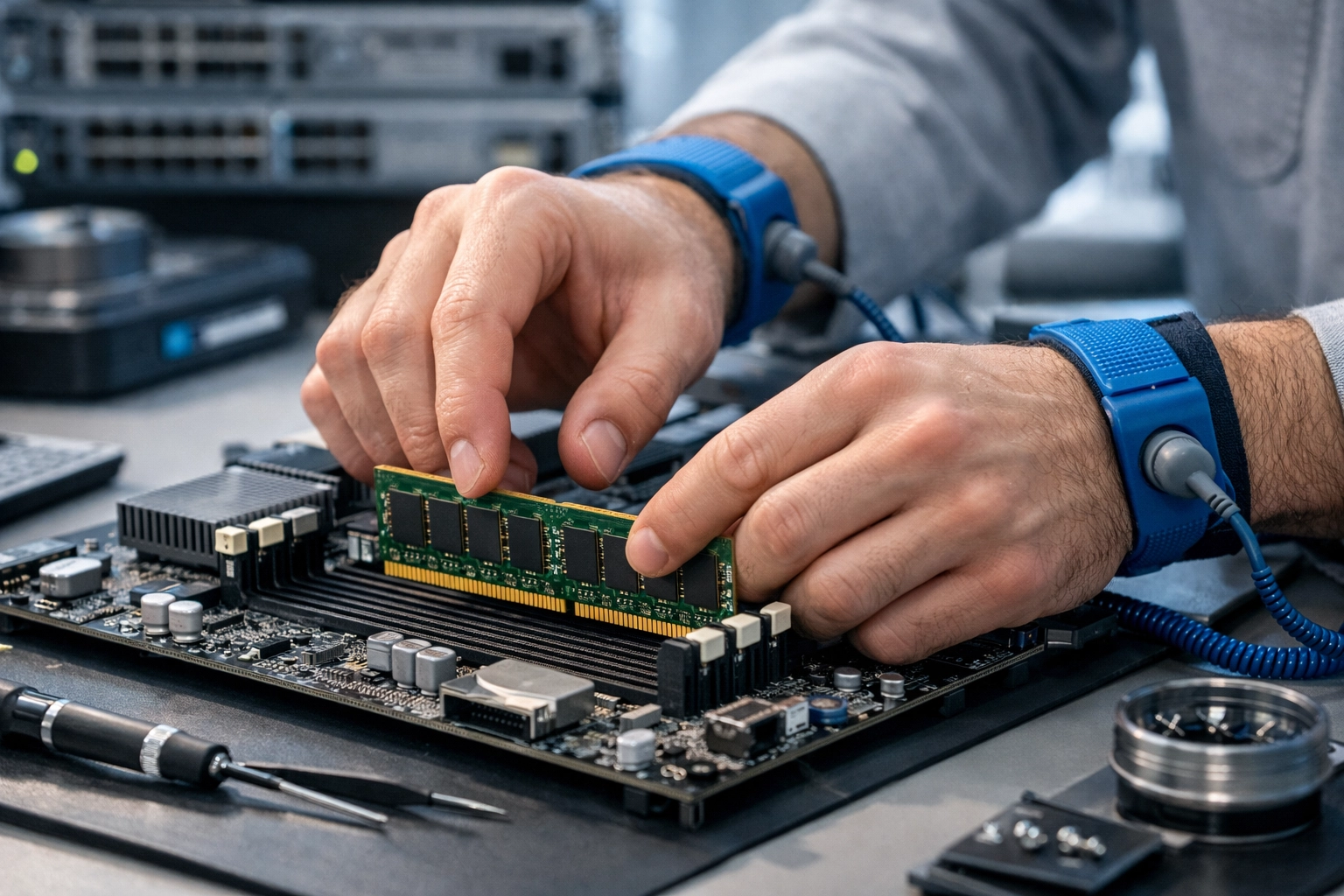
Sometimes you have the server but need the memory. Flux IT Hardware maintains a robust supply chain that allows us to source hard-to-find RAM configurations that are currently “out of stock” through traditional channels. From DDR4 enterprise sticks to the latest DDR5 modules, we help our clients complete their builds using a mix of new-surplus and certified refurbished components.
Adapting to the New Normal
The traditional IT supply chain is under unprecedented pressure, and the old “order and wait” approach is no longer a viable strategy for competitive businesses. To stay ahead, IT departments must adopt a multi-faceted approach:
- Phased Buying: Spread your hardware purchases across multiple quarters to mitigate price volatility.
- Hybrid Infrastructure: Combine existing hardware with rentals and refurbished units to create a resilient infrastructure that isn’t dependent on a single OEM’s delivery schedule.
- Strategic Partnerships: Work with partners like Flux IT that have access to alternative stock pools and can offer flexible credit accounts to expedite the procurement process.
Final Thoughts
The RAM shortage of 2026 is a significant challenge, but it doesn’t have to be a project killer. The most successful IT teams are those that adapt by embracing rental models and the high-quality refurbished market.
Don’t let your project sit in a queue for half a year. Whether you need to rent a server to bridge a gap or want to explore our vast stock of refurbished Cisco and Aruba hardware, the team at Flux IT Hardware is ready to help you keep moving.
If you are experiencing delays and need a solution today, contact us to get your infrastructure back on track.
Speak to Flux IT Hardware
If RAM shortages or hardware delays are impacting your deployment:
👉 Access available stock immediately
👉 Deploy without waiting for OEM lead times
👉 Keep your project on track
What do we buy?
| Cisco Equipment | Aruba Equipment | AI Hardware |
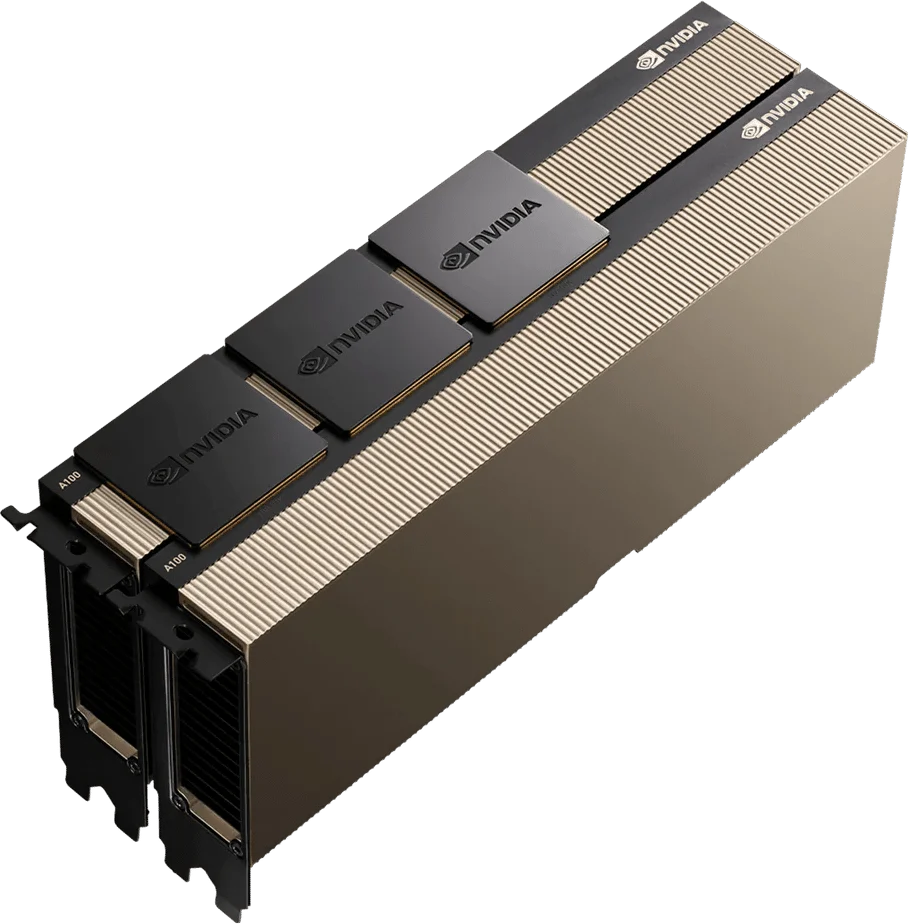
| HPE Equipment | Server Equipment | NVIDIA H100 & A100 AI GPUs |
| Juniper Equipment | Corporate Desktops & Laptops | Barcode Scanners |
Latest News









Server rental in the UK is increasingly used to overcome RAM shortages, supply chain delays, and extended OEM lead times. Below are answers to the most common questions about short-term server hire, Cisco and Aruba rental, and enterprise IT hardware availability.
Frequently Asked Questions – Server Rental UK | RAM Shortages & IT Project Delays
Delaying an IT project can lead to lost revenue, operational disruption, and missed deadlines. Server rental ensures business continuity by providing immediate access to the required infrastructure.
Short-term server hire is widely used by MSPs, data centres, enterprise IT teams, and public sector organisations needing temporary infrastructure for projects, upgrades, or capacity shortages.
Yes. Refurbished and new-surplus IT hardware is typically available much faster than new OEM equipment and provides a cost-effective alternative with enterprise-level performance.
Yes. Flux IT Hardware offers Cisco rental and Aruba rental solutions, including switches, routers, and firewalls, alongside server and storage rental for complete infrastructure coverage.
Server rental is often the fastest solution when OEM lead times are long. It enables immediate deployment without capital expenditure, helping organisations stay operational while waiting for permanent hardware.
You can rent enterprise rack servers, storage systems, Cisco switches, Aruba switches, firewalls, and networking equipment. This enables organisations to maintain operations and avoid delays caused by hardware shortages.
Yes. Flux IT Hardware provides UK server rental for short-term and long-term projects, including migrations, testing environments, and temporary capacity requirements. Flexible rental terms are available from one month upwards.
Server rental allows businesses to deploy enterprise IT infrastructure immediately while waiting for delayed RAM, servers, or networking hardware. This keeps IT projects on schedule and avoids costly downtime caused by supply chain delays.